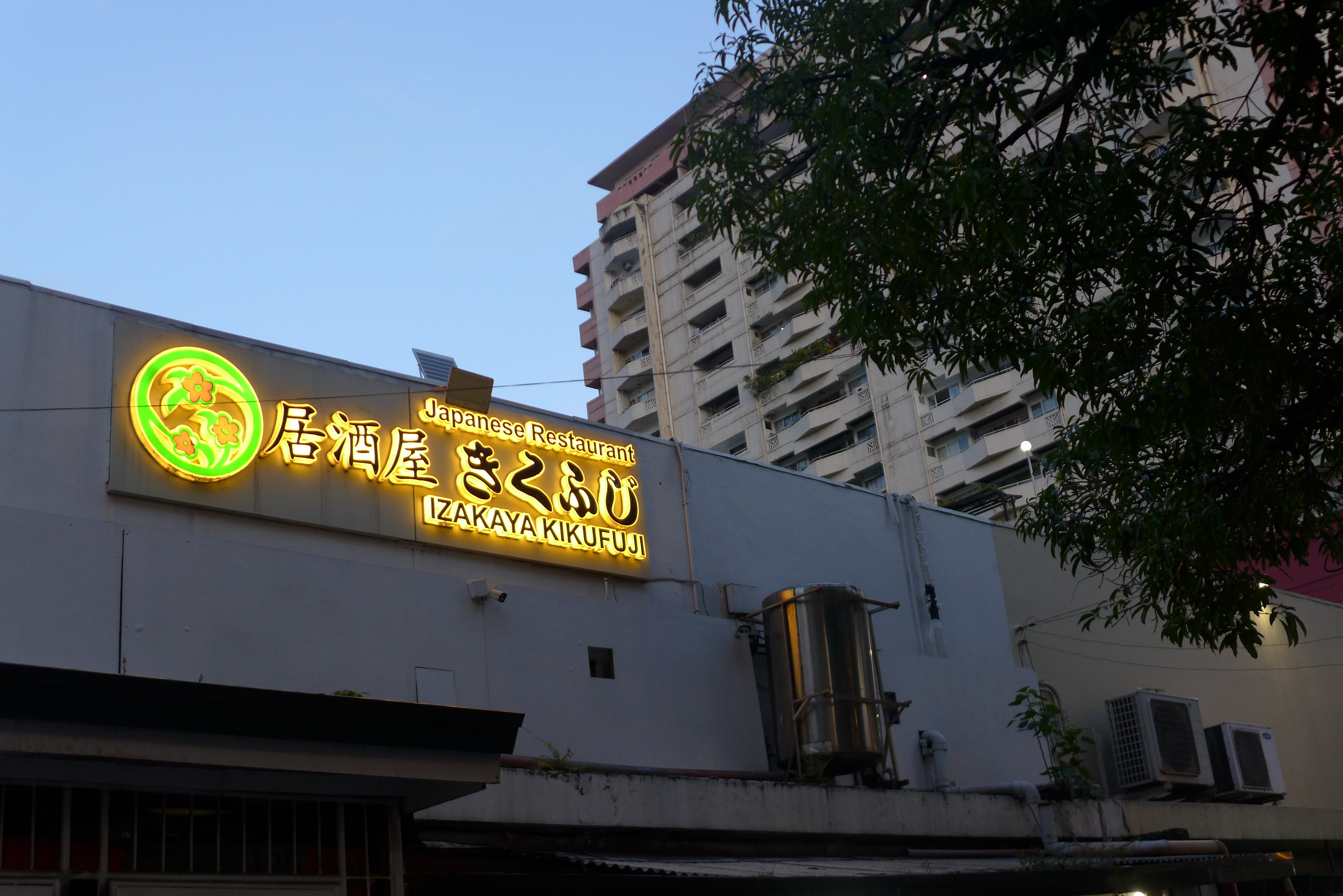
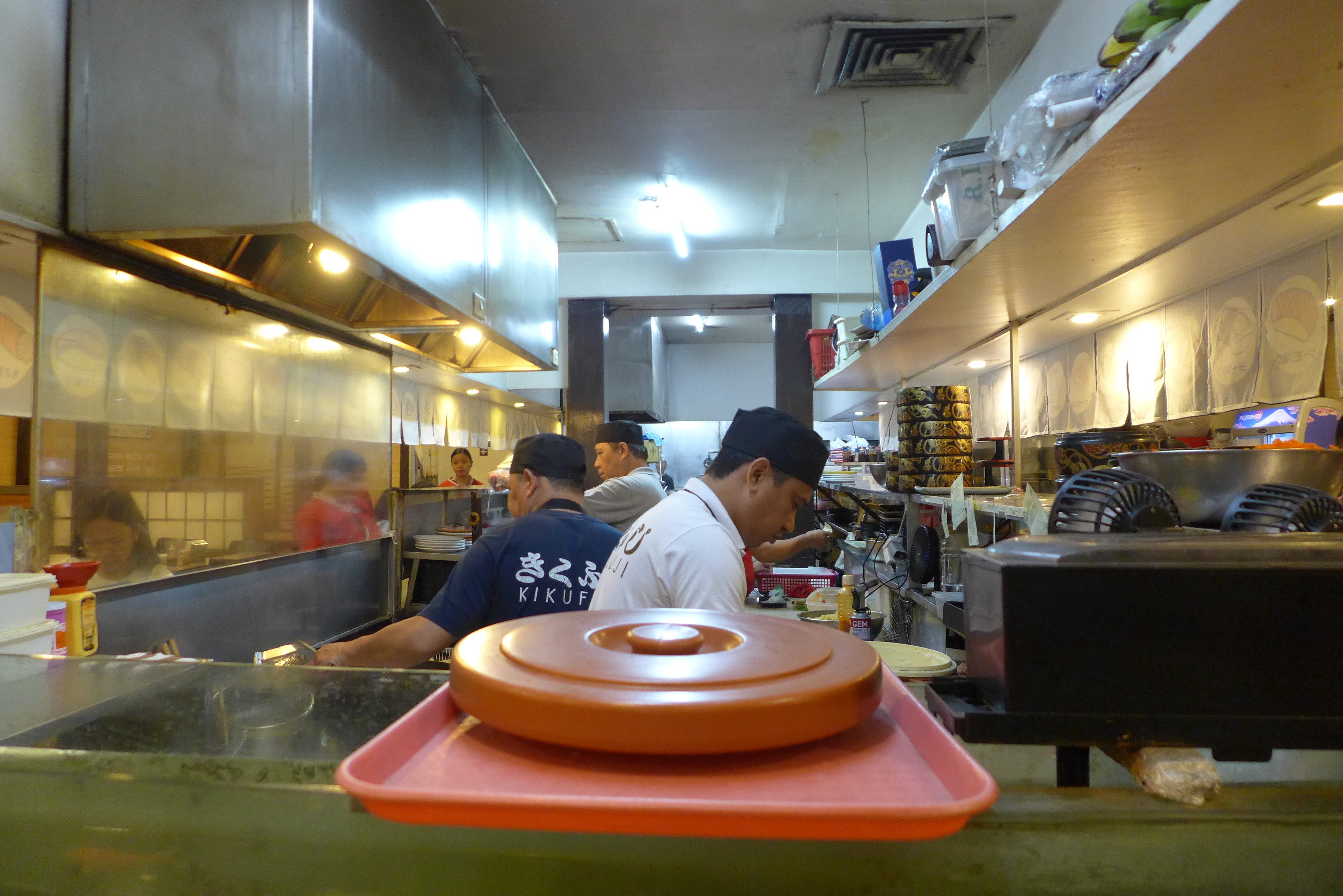
Kikufuji
We were looking for somewhere to eat. G4 first — the parking lot was full. Then Mile Long, but the restaurant we had in mind was closed, the one everyone online had been recommending. And so, without much discussion, we ended up at Kikufuji. A place we hadn’t been to in a while. Entirely unplanned.
There are worse ways to find yourself somewhere.
I have never been the kind of person who chases the newest restaurant. I would make a terrible food vlogger. Even as a child I wanted what I already knew, or what someone I trusted had already tried. I’m not entirely proud of this, but I’ve made peace with it. Who wants to pay for a meal they didn’t enjoy?
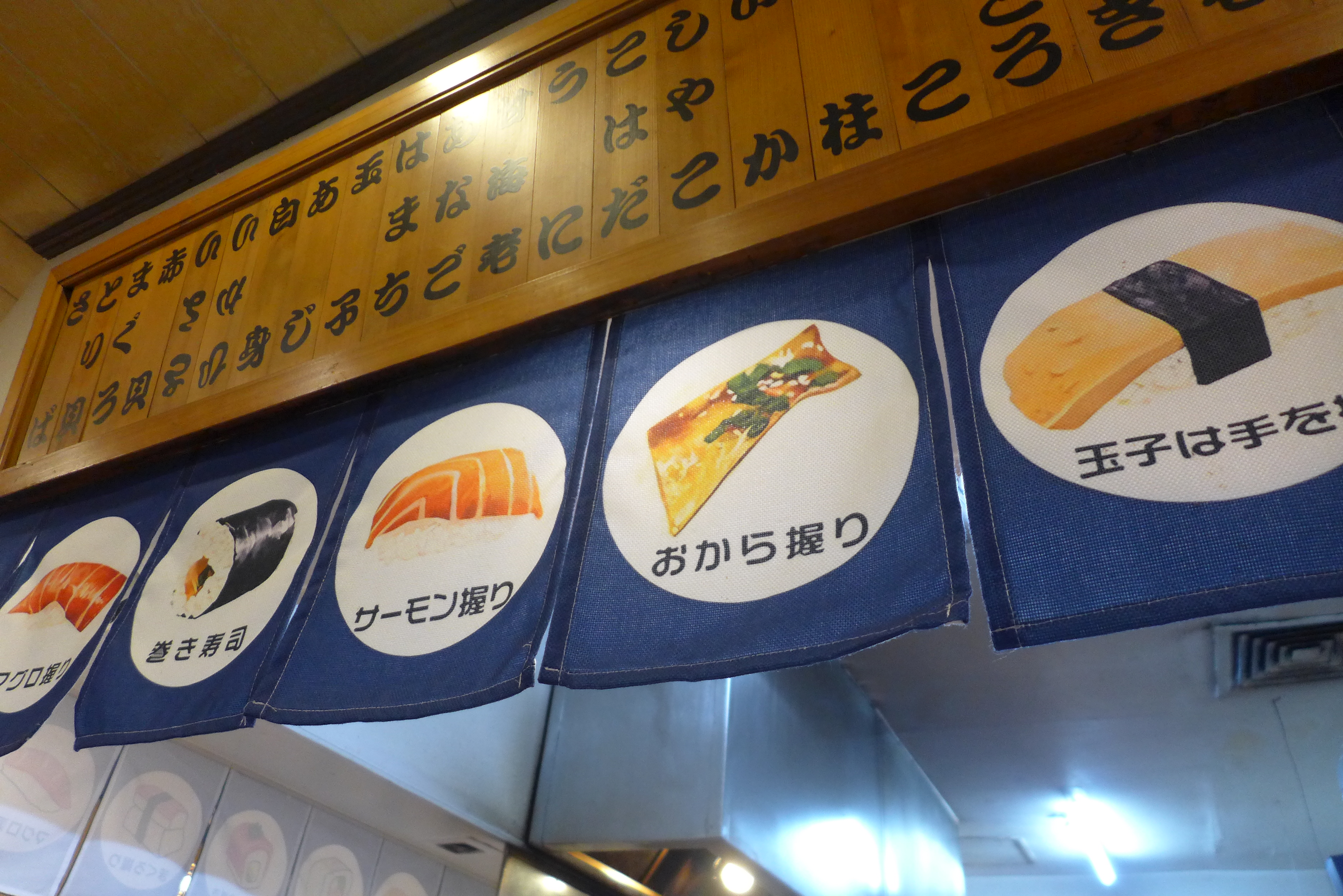
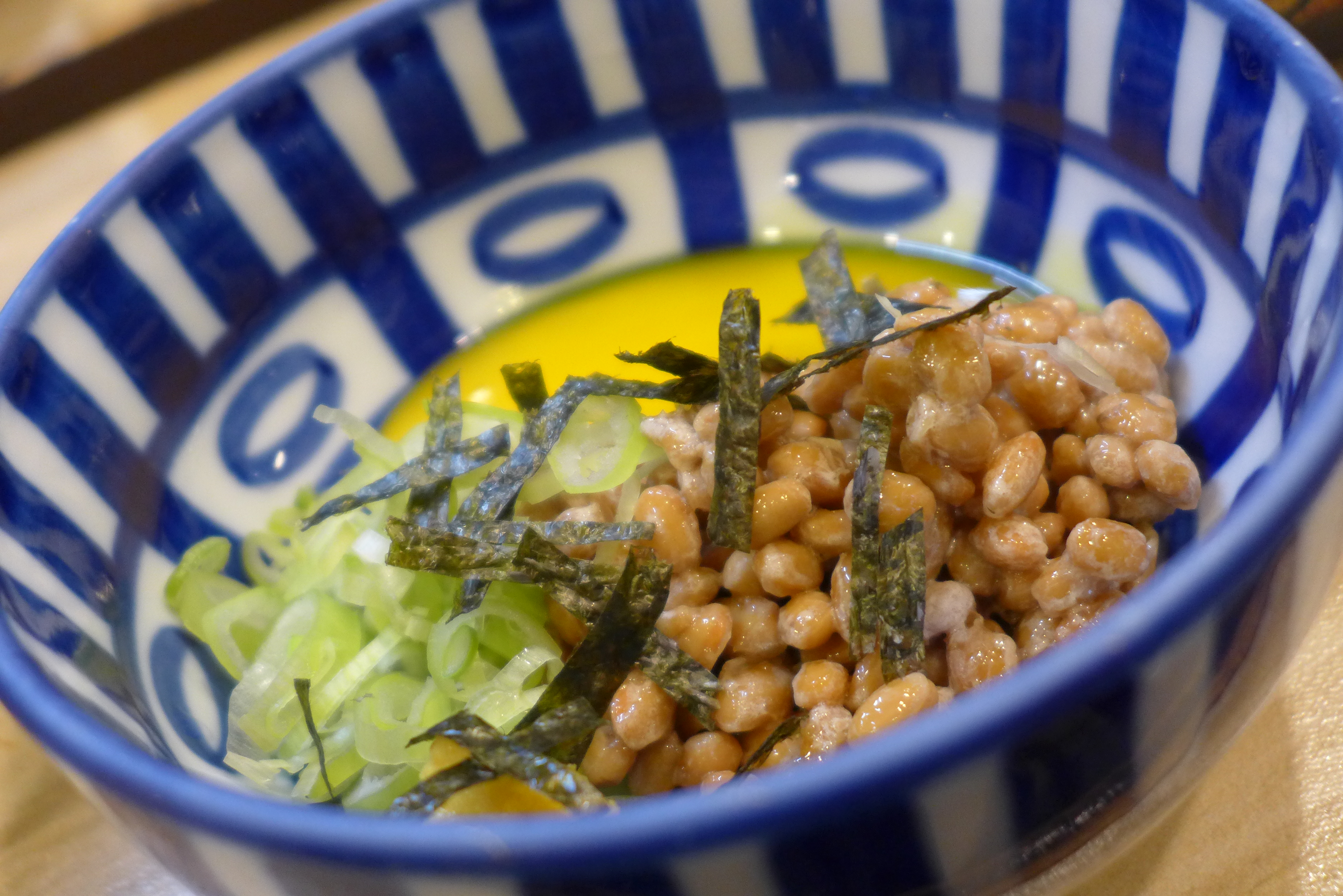
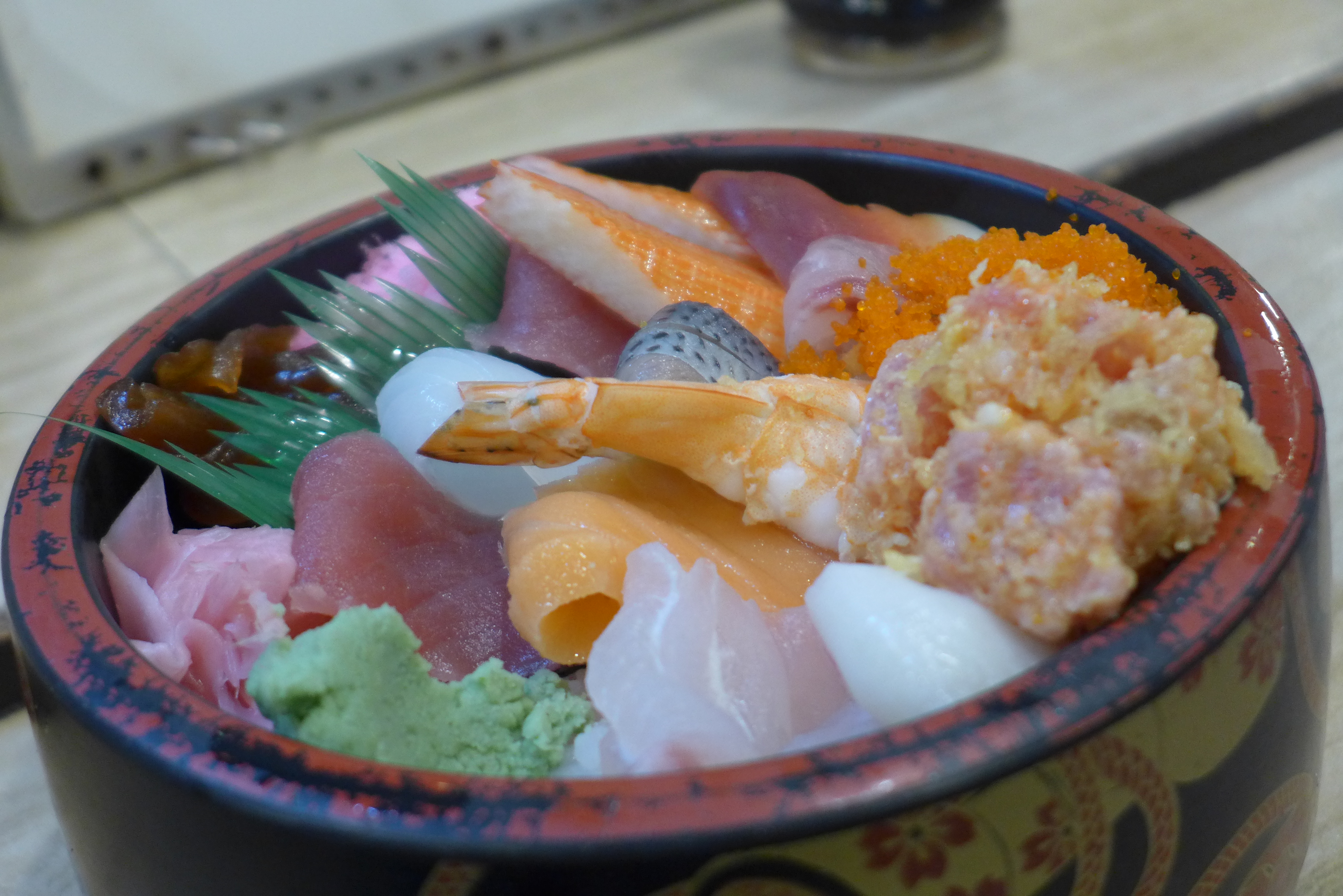
The menu at Kikufuji runs six or seven leaves. I browsed it, then closed it again. Too much. I ordered the Chirashi Don — what I always get here — and Natto, which I order lately if offered.
The food came. It was good. It did not disappoint.
But somewhere between ordering and eating, I noticed something. I hadn’t even been craving Chirashi. Japanese food had come to mind, yes, but nothing more specific than that. The menu arrived and my brain, already tired from the redirected afternoon, simply gave up. Not out of laziness. Not out of fear. Just — there was nothing left. The parking lot, the closed restaurant, the rerouted plans. By the time we sat down, I had used up whatever it takes to want something new. So I reached for what I already knew.
There’s a researcher named Barry Schwartz who studied this. He found that more choices don’t actually make us freer. Past a certain point they do the opposite — they exhaust us, overwhelm us, and send us straight back to the safest, most familiar thing we can think of. We don’t expand to meet our options. We shrink. We become the version of ourselves who already decided, a long time ago, and never had to decide again.
That’s what happened at Kikufuji. Not a character flaw. Just a tired mind doing what tired minds do.
The Chirashi Don was satisfying. That’s true and worth saying.
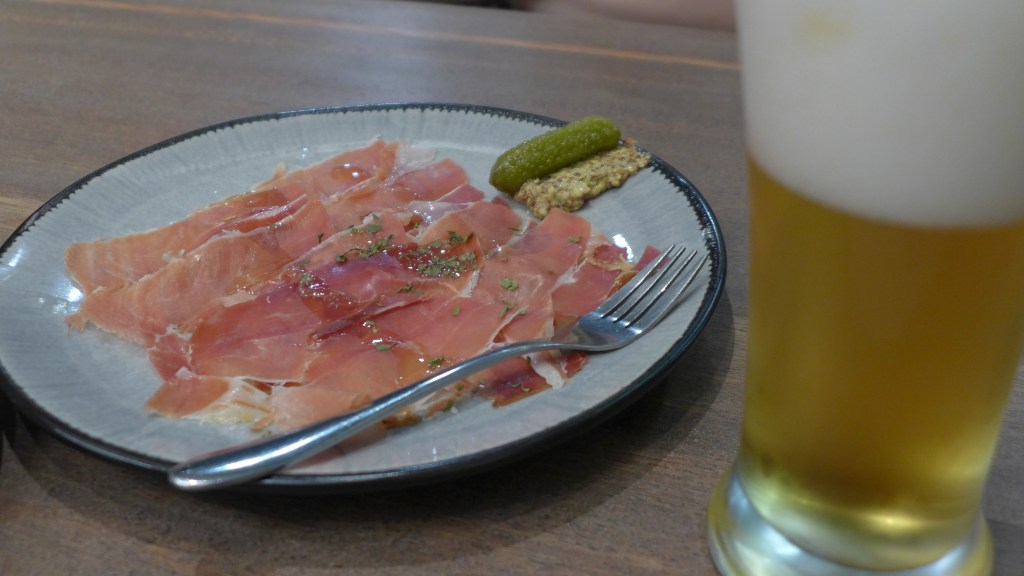
I enjoyed it with my beer. And what I keep thinking about is not the meal itself but the small moment before it — the menu I closed, the question I didn’t ask myself, the brief window where the afternoon could have gone differently and I let it close without noticing. It’s a small thing. Nobody else at the table would have seen it.
What it cost me wasn’t money or a better dish. It was just — being there. Actually there, in that restaurant, on that particular afternoon, with Ingrid beside me on the bar and a menu full of things I’d never tried.
More choices, less choosing. More options, less presence. That’s the paradox.
The Chirashi Don was good. Kikufuji was exactly what I remembered.