I examine ideas, challenge assumptions, and connect experience with principles to uncover insights that help people and organizations grow. #Business #Leadership #Human Formation
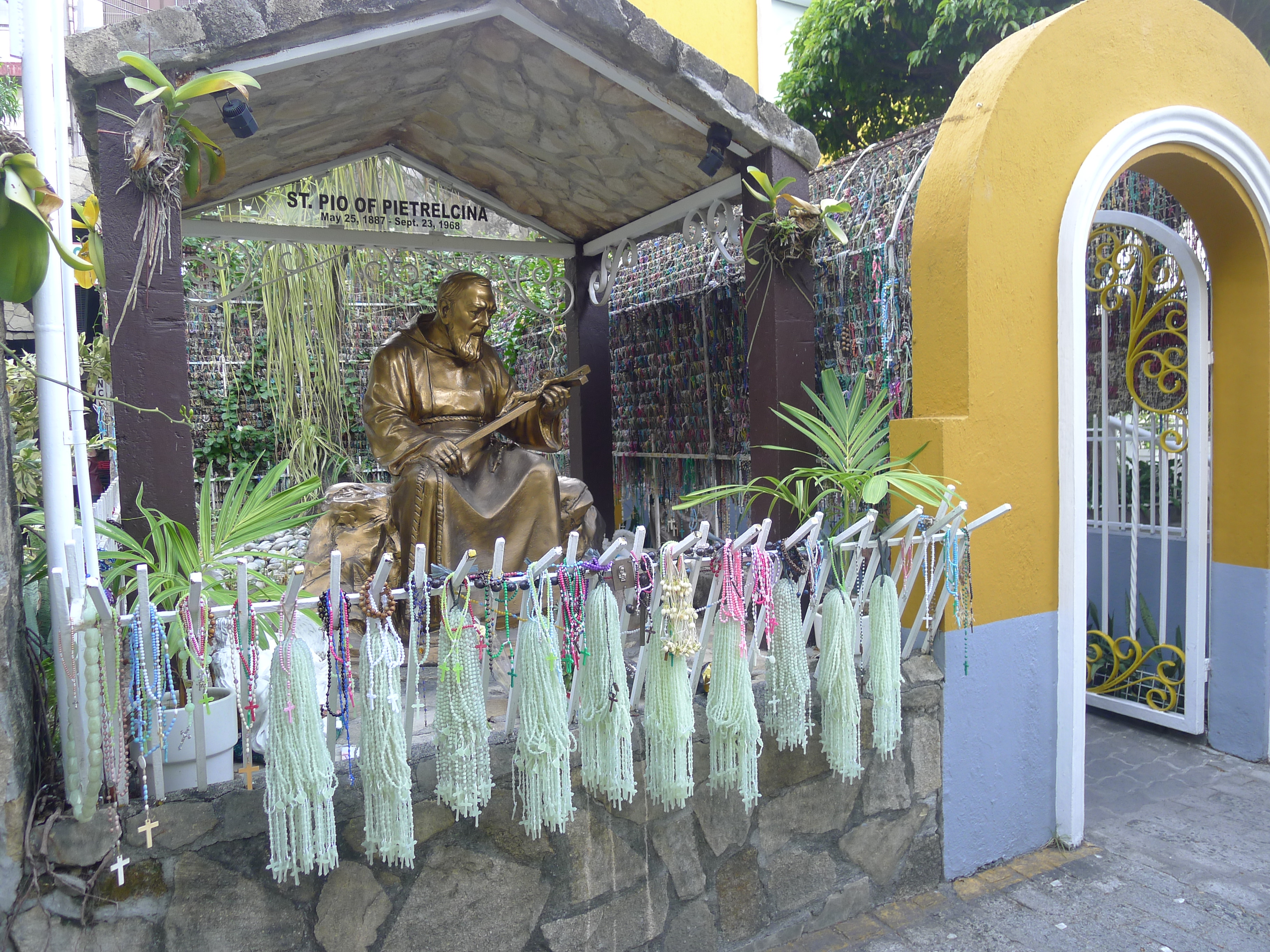
Today is the birthday of Padre Pio and I paid him a visit. We have a special devotion to him and so we named our son after him. I spent a few minutes to pray and receive the communion.
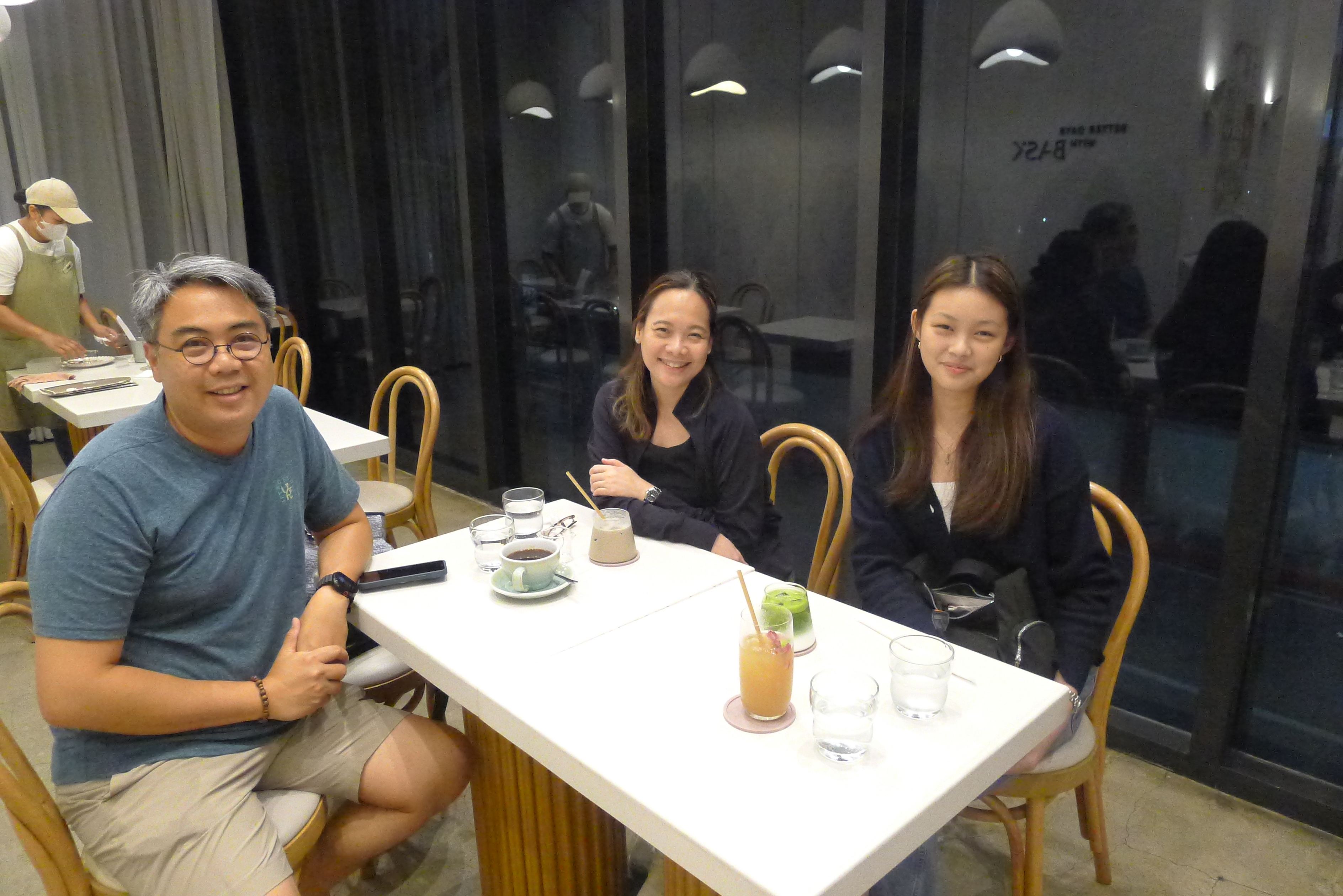
These days, I got to spend plenty of date time with another Francesco Pio, our eldest Jaime Francesco Pio. I had several meals with him, and even watched him climb. He is now 20 and as they get older, they live a more independent life, they spend more time with their friends and soon after graduation, their workmates.
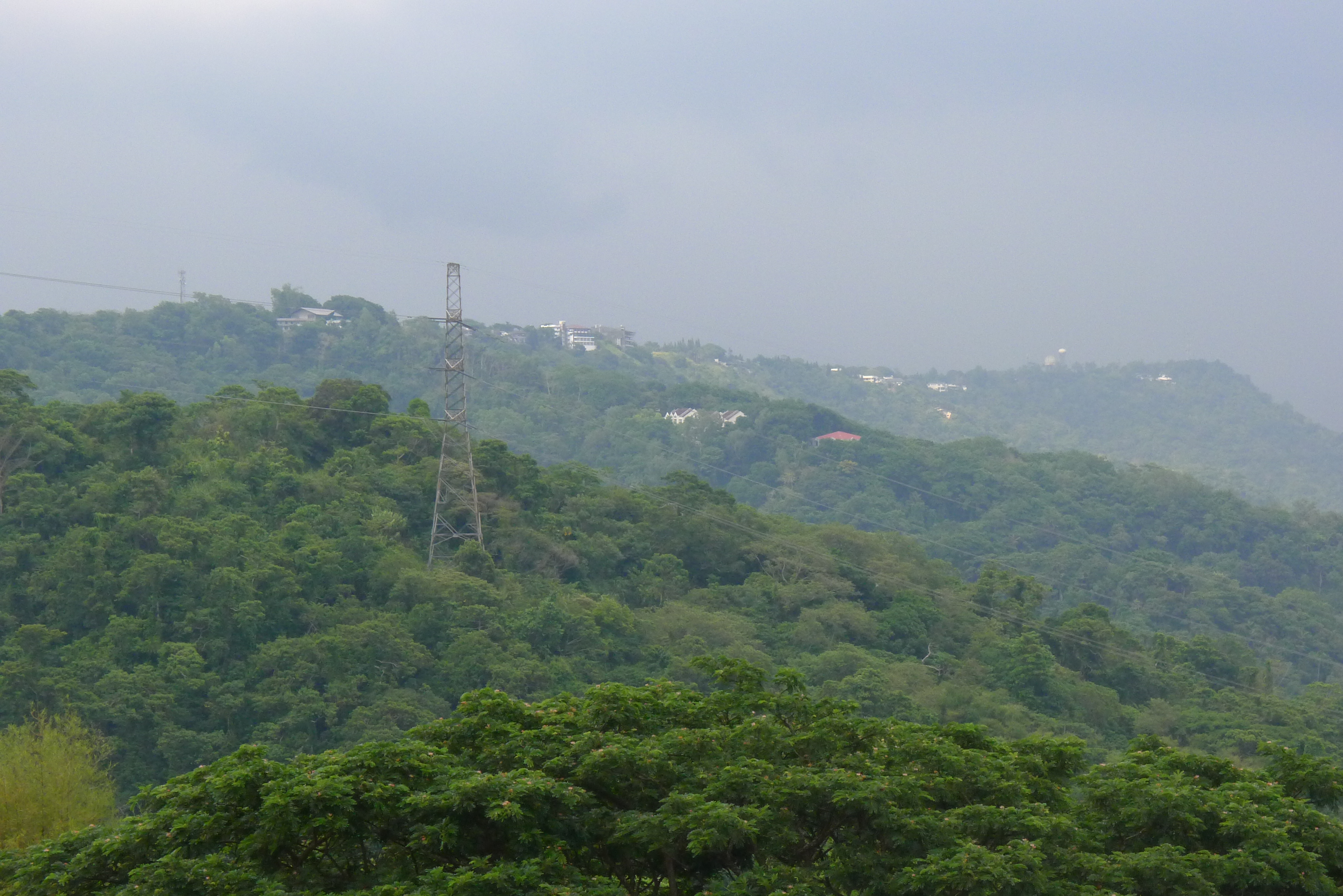
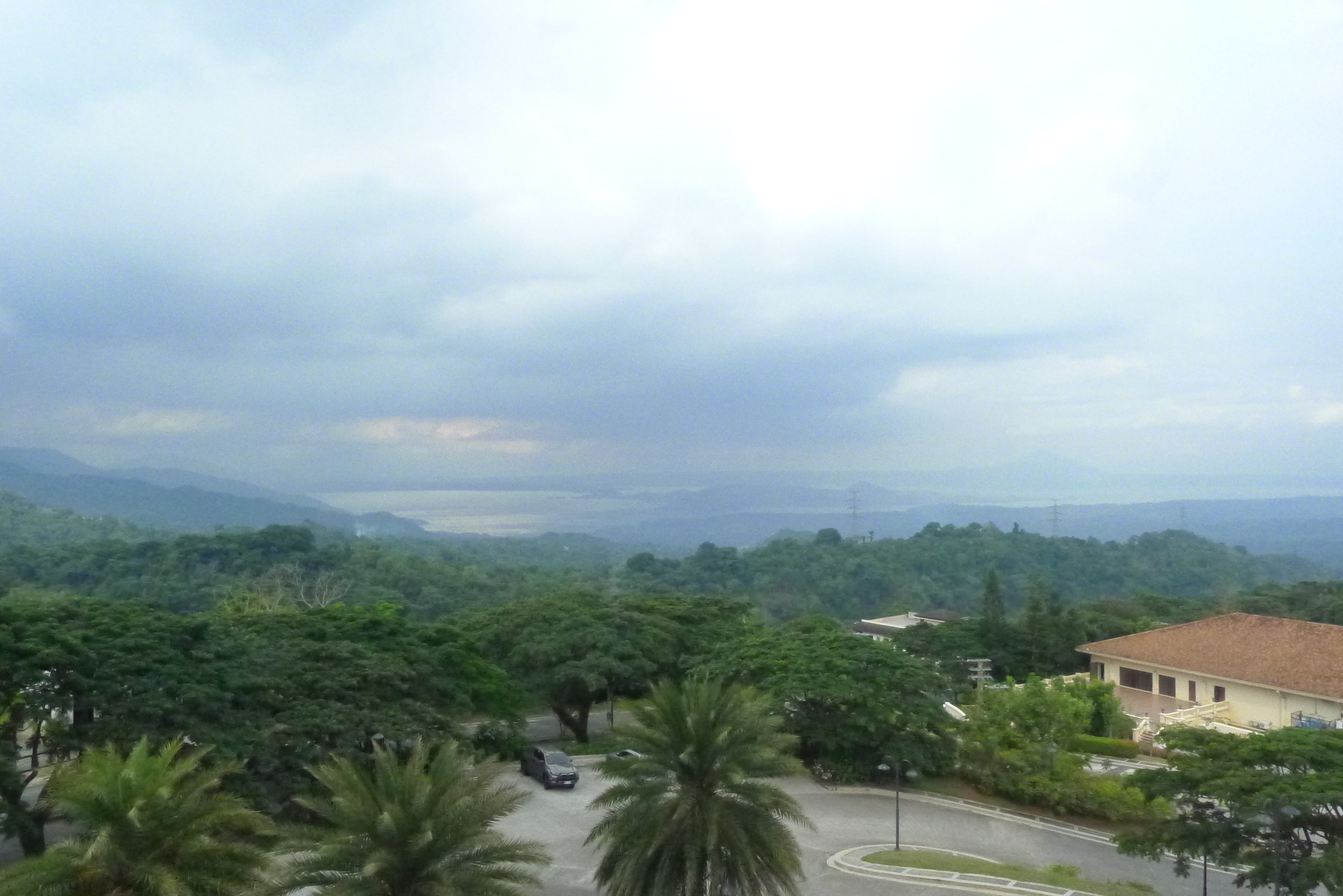
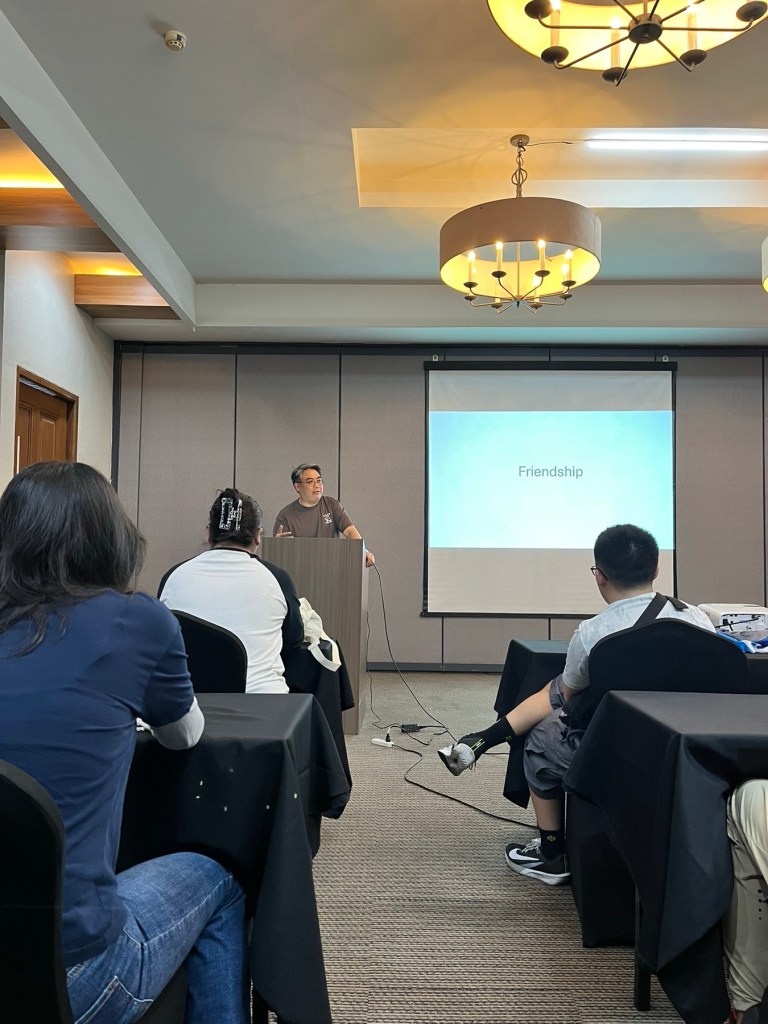
I drove to Tagaytay the other day to speak to some high school students on the topic of friendship beyond graduation. While thinking about my approach, I decided to go back to fundamentals and simply tell my story and my relationship with my friends. I started from our teenage years all the way to the present.
I wanted them to see that someone my age — someone who now appears more formal, controlled in action and mature — once had a past they could relate to. And I think this is the power of stories: people listen to them, people are entertained by them, and through them, ideas quietly make their way across.
I was amused by how engaged the students were. They listened closely, laughed often and even asked questions about the people in the stories. They did not ask for a lesson, and I did not explicitly give them one. I simply described what friendship meant to me through stories, yet in the end, they brought home their own insights.
Lake
The experience reminded me of Prof. EDMO. He was a great writer, speaker and teacher. In class, he would often present complicated PowerPoint slides but simplify them through stories. Because of this, we were able to understand difficult ideas naturally and draw lessons from them ourselves. It never felt forced; it felt more like an exchange of stories than a formal lecture.
People listen to stories for many reasons. Sometimes it is curiosity, sometimes the lessons they carry, and sometimes the simple desire to connect with another person. Stories humanize people. This is why we often remember individuals not through frameworks or achievements, but through the stories they tell and the stories told about them. I think the students listened not merely because they were expected to, but because stories allowed a genuine connection to form between us.
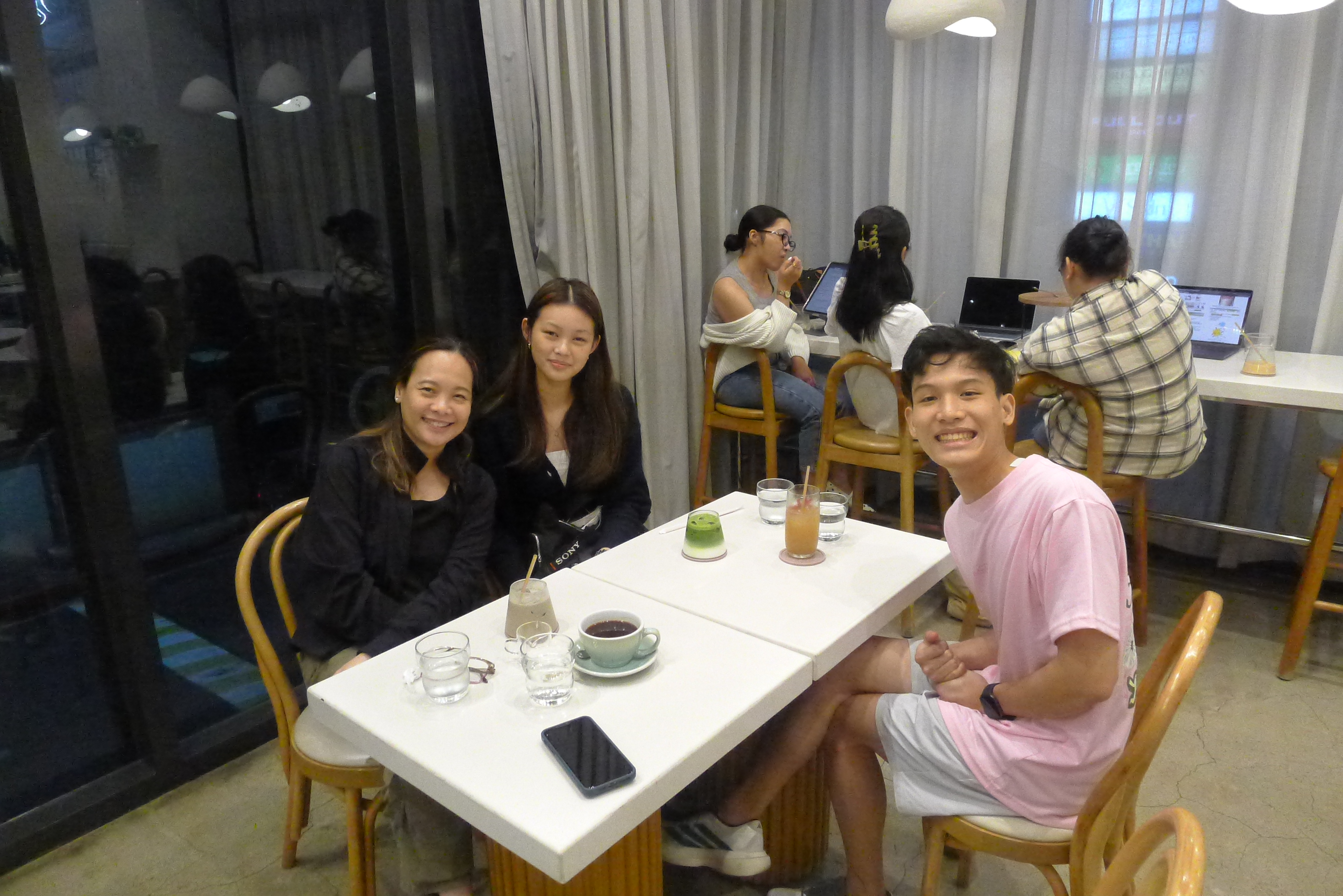
Keso de Bola Cheescake at Bag of Beans with Ingrid
A good story is emotionally charged — whether through laughter, fear or sadness. The actions of the characters should align with the values they portray, making the story feel believable and authentic. And a good story should be engaging enough to leave people wanting more. When these elements come together, listeners begin to reflect on the story and draw their own insights from it. That is what makes a good story powerful.
Perhaps this is what teaching should be. It should be like a good story — subtle, unforced and relatable. Teaching should feel less like the downloading of frameworks and methods, and more like a meaningful conversation, because people often remember good stories far longer than they remember frameworks.
What stays with me most about friendship is that it rarely begins in grand ways. More often, it starts subtly— a question, a shared laugh, a common interest, a random seat beside someone who will one day become part of your life story.
Think about your best friend today and try to remember how your friendship started.
On my first day of pre-college course in 1995, I walked into the campus of University of Asia and the Pacific knowing absolutely no one. I was the only student from my high school who entered the program. It was a summer course meant to prepare us for college life — executive functions, time management, character formation, essay writing. At seventeen, those words sounded sophisticated and intimidating all at once.
Everything about that first day felt like stepping into another world. Our first paper was about college. Almost everyone wrote the same thing: college is the real world. The lecturer, Chuck Palenzuela, laughed at our answers. Not mockingly, but knowingly. He pointed out that none of us could actually explain what we meant by “the real world.”
But perhaps that was the point. At that age, there were simply no words big enough to explain what adulthood felt like from a distance. The real world was excitement and fear happening at the same time. It was the thrill of newfound freedom mixed with the quiet panic of realizing you were now expected to become responsible — to slowly become an adult.
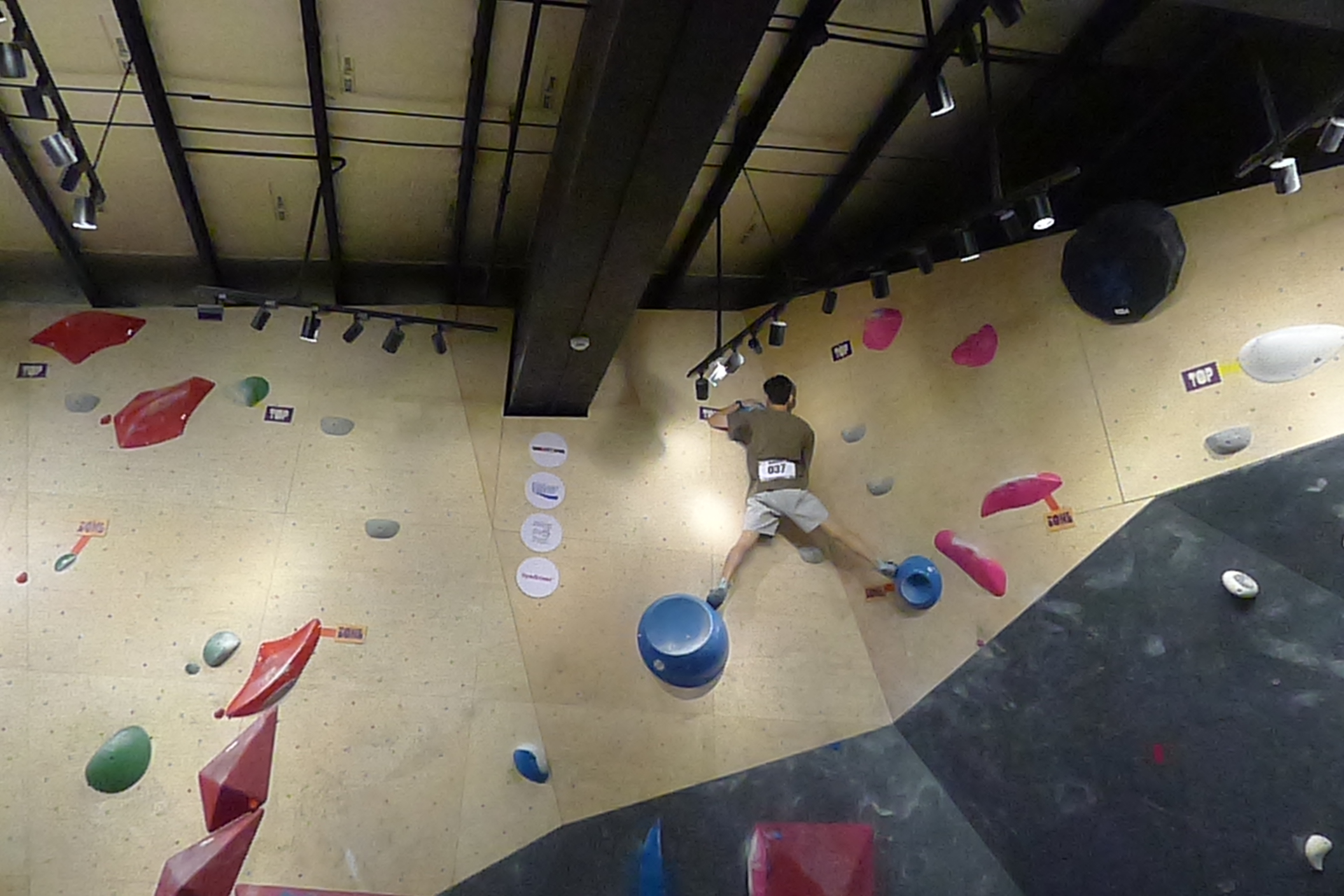
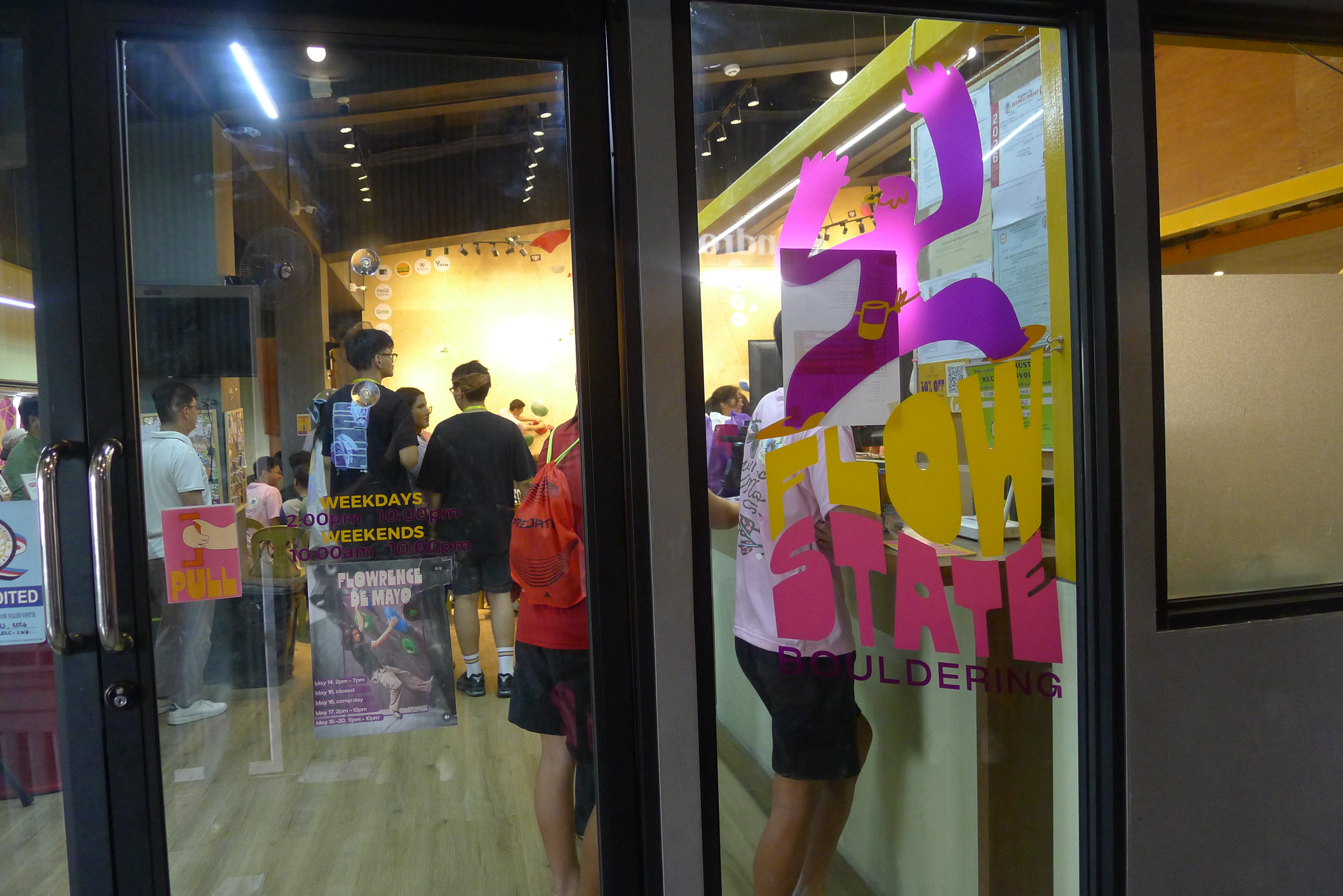
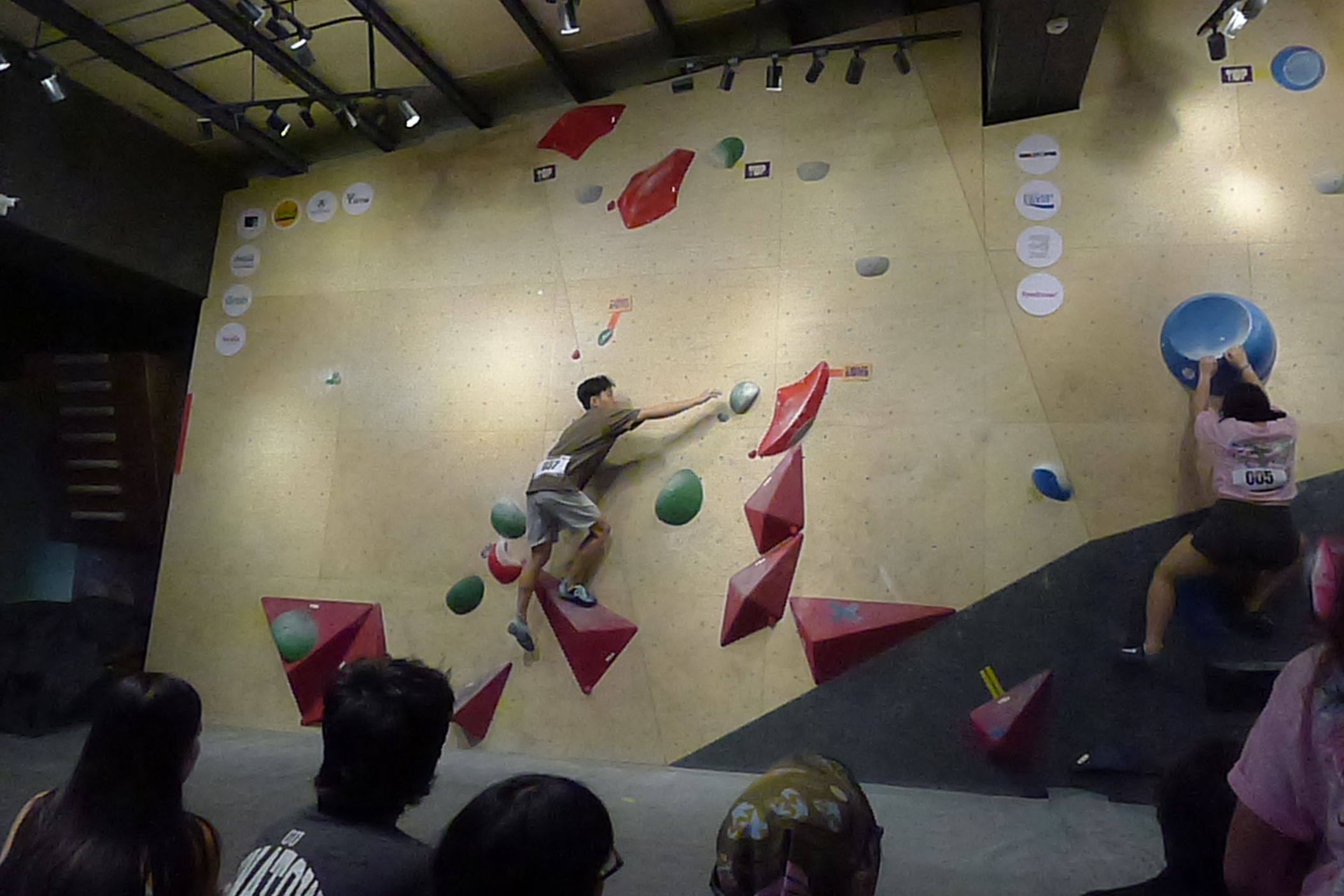
Weeks ago, our eldest son Jaime told me he had a bouldering competition at Flowstate Gym in Pampanga. That Saturday, I drove there with Ingrid and Jaime’s girlfriend. We left the house around 9:30 in the morning. Just before leaving, Jaime mentioned that he barely slept the night before. He had a stomach ache, felt feverish, and had taken paracetamol earlier that morning.
Traffic was light, typical of a Saturday. Before heading north, we stopped at the Petron Starbucks for coffee and a quick meal. As we were about to enter, I saw my cousin Jigs preparing for his shift after his break. The café was crowded and the line stretched long — exactly what one expects from a busy roadside Starbucks on a weekend.
After the quick stop, we made another side quest at Lakeshore so Jaime could buy medicine. By then it was already 11:40. Registration was at 12:20, and the venue was still around thirty minutes away. We got back on the road and arrived just in time. Jaime got off first while we searched for parking.
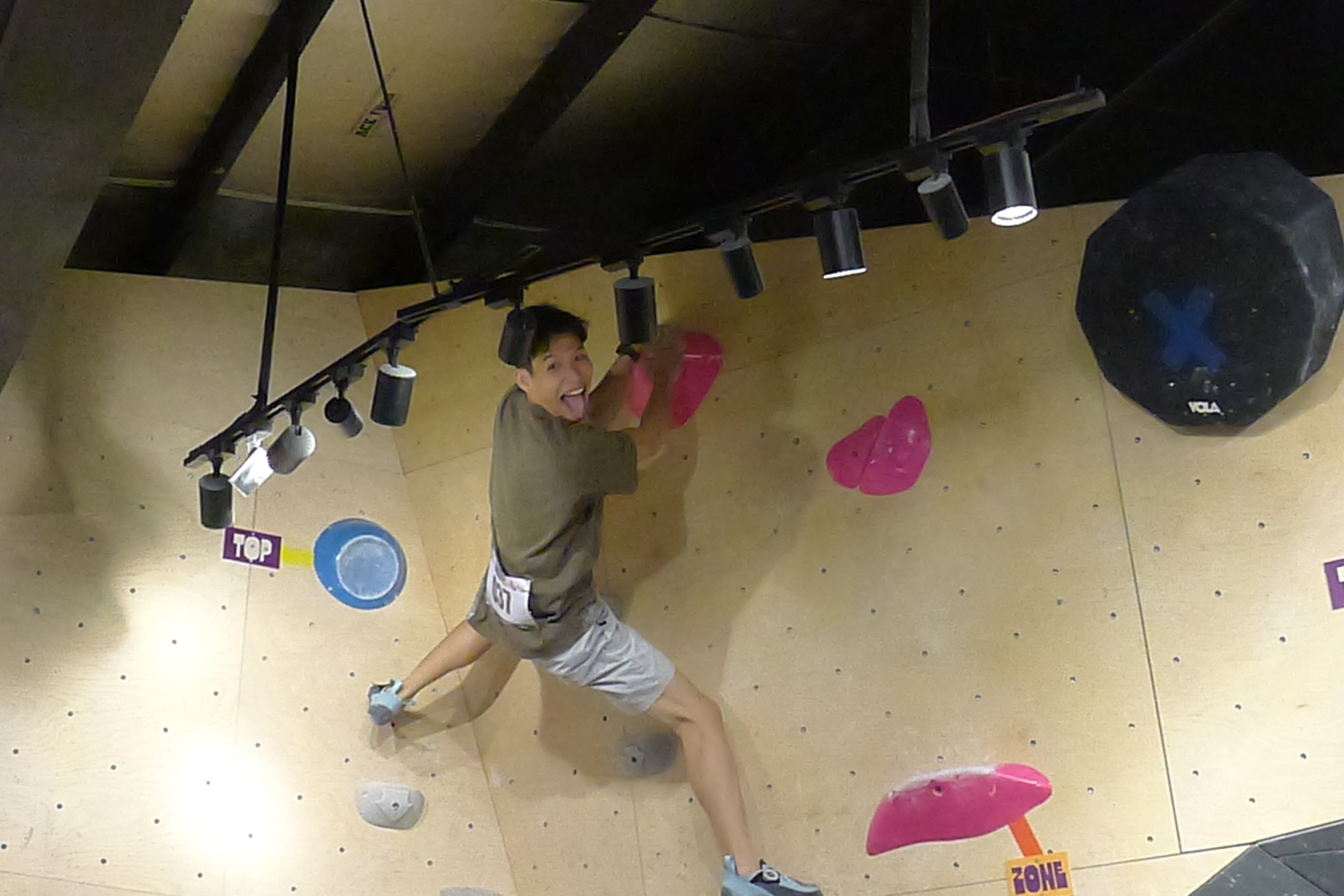
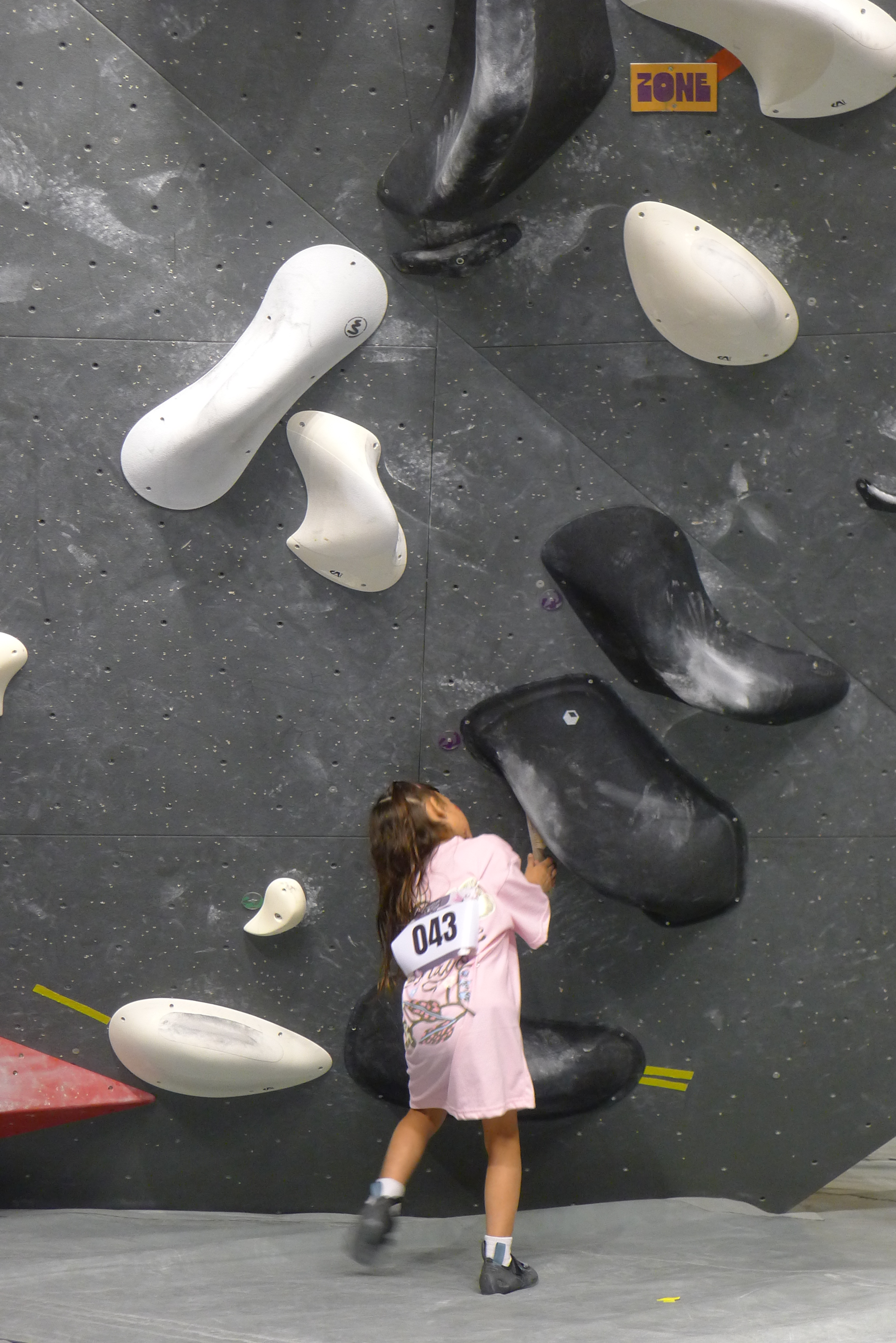
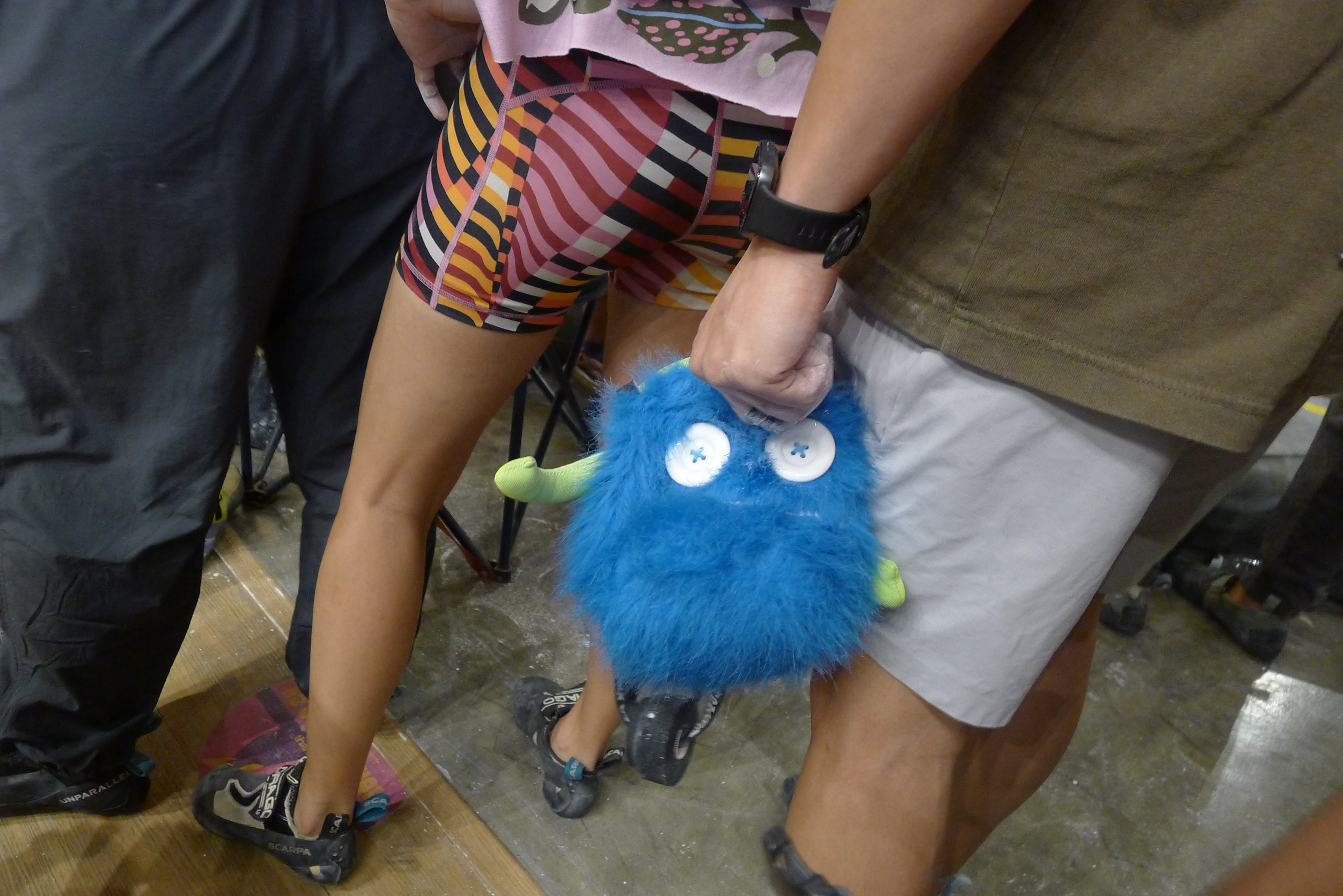
Inside the gym, the place was packed with climbers, friends, and families. In between competitions, organizers were busy fixing and cleaning the walls. There was even this little girl, less than 10 years old, who was helping dust the holds. A few minutes later, the elite category was called and competitors lined up before the opening problem. They looked like people lining up for the cashier as they hold their chalk bags and water bottles. When Jaime’s turn came, I took out my camera, looked for the best angle and started shooting.
He moved carefully from hold to hold until he reached the top. Some problems he completed cleanly, others he missed. There was one red route he attempted three times and failed three times. It was not necessarily beyond his ability — he had climbed harder problems before — but competition changes things. Excitement and anxiety enter the body together. Timing changes. Confidence changes. Rhythm changes.
He did not finish last. In fact, he probably could have climbed higher in the rankings had he trusted himself more. But it is difficult to fault someone competing while not feeling his best.
Bouldering culture itself was interesting to observe. Climbers greet each other with a thumb handshake. Instead of the usual “Let’s go!” or “Come on!”, people shouted “Alez!” and “Ganbare!” whenever someone was on the wall. The atmosphere felt less hostile than many competitive sports. Even opponents encouraged each other mid-climb.
The competition ended around 2:20 in the afternoon. Had Jaime advanced to the finals, we would have stayed longer. Instead, we drove to Tarlac to meet my cousins. It was a short one hour drive from Pampanga to Tarlac. I swear that it felt farther before.
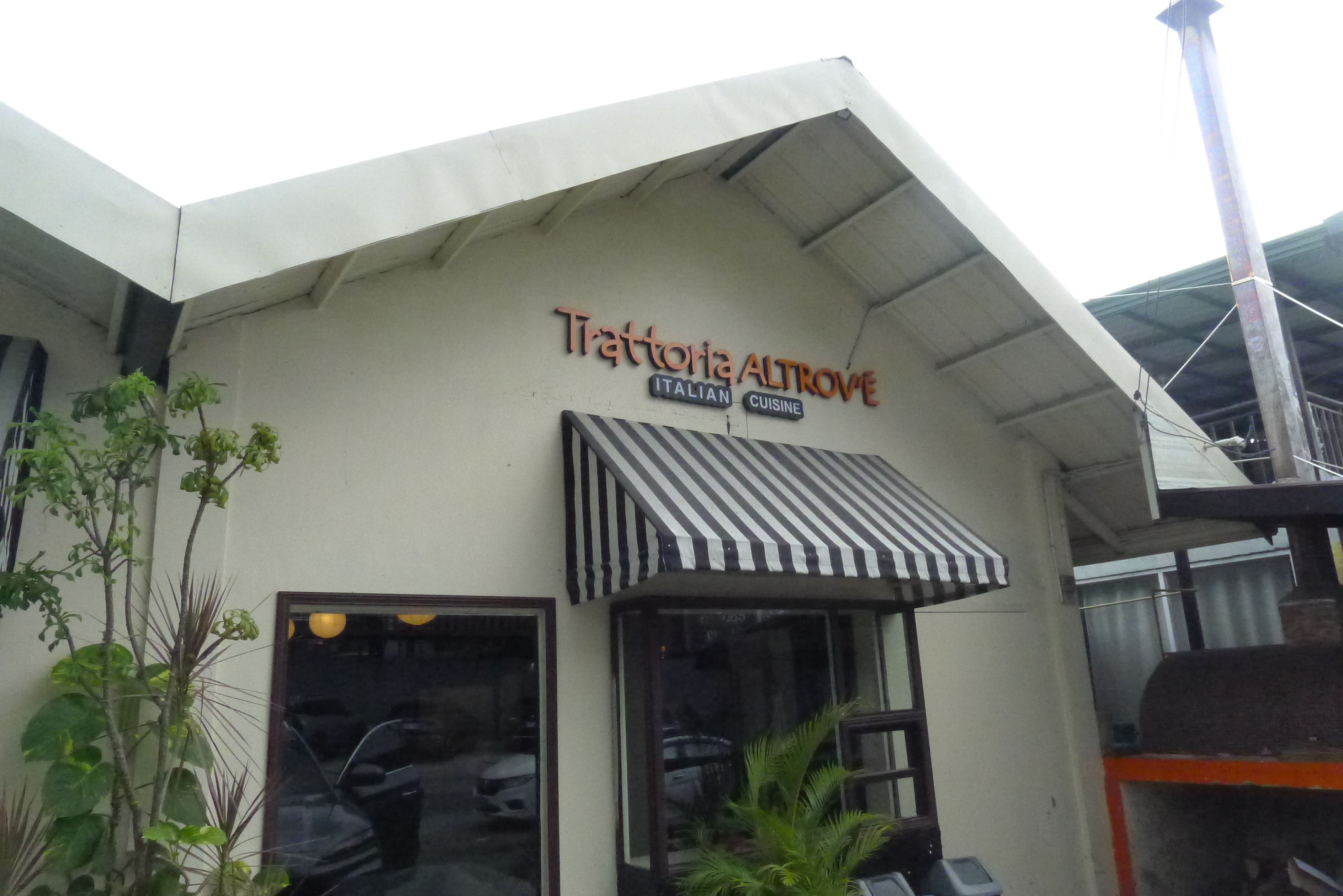
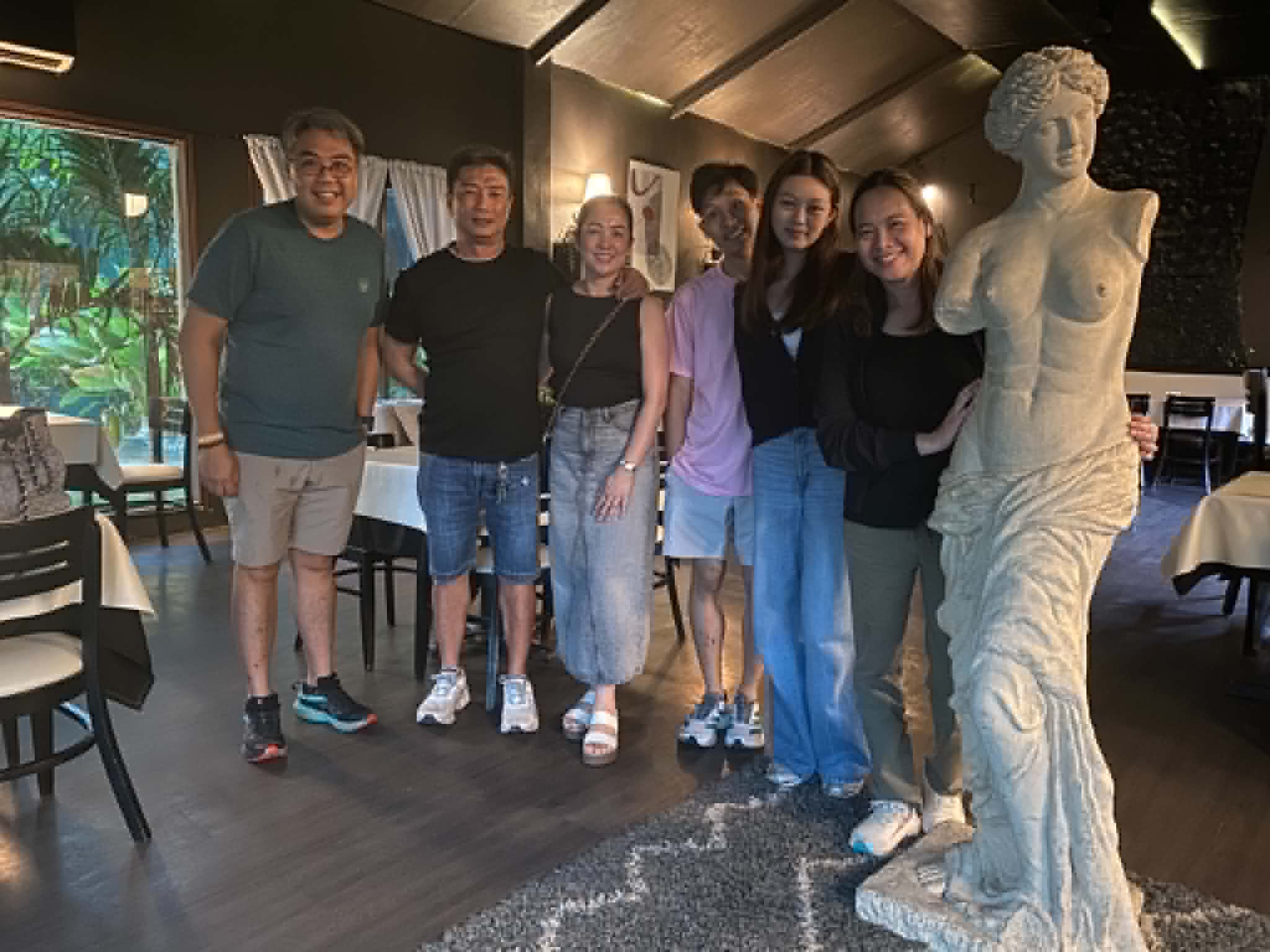
We ate at a place called Trattoria Atrove, an Italian restaurant in Tarlac City. A statue of Venus de Milo greeted guests near the entrance. The place was dimly lit, with a bar and a billiard table tucked into one side of the restaurant. We waited a few minutes before my cousins arrived.
The pasta was surprisingly good — probably an 8.5 out of 10 — though the food was secondary to the conversations. We were there more for stories, laughter, updates, and the familiar rhythm that relatives fall back into no matter how much time has passed.
We left around 5:45 in the evening just as heavy rain began pouring over the highway. Thankfully, there was no flooding along NLEX or Skyway. We arrived back in San Juan around 8:20, still early enough before Shana’s 9 p.m. curfew, so we ended the night with a quick dessert and drink nearby.
It was one of those long days that never felt rushed. A competition in Pampanga, coffee stops, medicine runs, relatives in Tarlac, rain on the expressway, dessert before going home. There is nothing extraordinary on paper, yet somehow full when stitched together.
It is truly a challenge to start a journal, let alone write in it consistently. I’ve been journaling for eight years and have managed to be fairly consistent, though not daily. There have been days, weeks, and even months that I’ve missed, but I always come back to fill the pages with my observations and emotions.
Journaling is not a juvenile activity. It’s a powerful leadership tool used by many great individuals, from Winston Churchill to Anne Frank. For Churchill, journaling helped him navigate the complexities of his role as a statesman, allowing him to better understand himself, his world, and his place in history. In the case of Anne Frank, journaling provided her with a means to cope with the horrors of the Holocaust, offering a safe space to process her emotions and preserve her thoughts for future generations.
I started journaling when I bought a Midori Traveler’s Notebook in Hong Kong. At first, I simply wrote whatever came to mind. I didn’t find it difficult. I followed tips from Julia Cameron’s The Artist’s Way, particularly the idea of “dumping” everything in my head to start. Attending a Mind Mapping seminar years ago also helped me organize my thoughts and keep the flow going.
Another key to my journaling success is reading. I always have plenty to say after reading an essay or a book. After all, they say you can’t write if you don’t read. Reading has been instrumental in shaping my journaling, and even if I can’t pick up a book or article, I make sure to read movie subtitles or anything I can.
So far, journaling has helped me clarify my thoughts. There are days when my mind feels cluttered, overwhelmed with ideas. In those moments, I sit down, grab my pen and notebook, and start reflecting on my priorities. Often, those thoughts evolve into to-do lists.
Those thoughts are just irrational fears. Writing them down helps me to view them logically, free from emotion. Fears can hijack your brain, but labeling them on paper cuts the wire, allowing you to reset yourself.
Journaling doesn’t take much time—only 10 to 20 minutes a day. I do it in the morning, right after breakfast, while sipping my coffee. This gives me time to clear my mind and start the day with a fresh perspective. If mornings are too rushed, journaling before bed works just as well. You can write anything that comes to mind, or even use daily prompts from Google.
You don’t need special tools—just a pen and notebook will do. The most important thing is to start.