

Before going back to Tokyo this year, I reviewed our 2014 travel plan and realized I had missed a few places, including Yanaka Ginza, a shotengai (commercial district) established around 1892, the Meiji period, with small local shops catering to nearby residents. Determined not to overlook it again, I made sure to visit this time capsule.
A month before heading to Tokyo, a long-time family friend who had known me since I was a toddler and my mom’s college friend, Tita Ditas, visited Manila and had lunch with us. She has been in Tokyo for decades and currently teaches English to her senior Japanese neighbors in her condominium in, drumroll please, Yanaka! She promised to spend the day with us, showing us her community, treating us to authentic Japanese food, and introducing us to her friends.
After dropping Iuri off at DisneySea, Ingrid and I took the train to Nippori Station. What should have been a 40-minute journey took more than an hour because Google Maps wasn’t working well. However, getting lost in an unfamiliar city like Tokyo is always a welcome adventure for us. This reminded me of something I read from Paul Theroux: “Getting lost is the essence of travel”. It is in getting lost that you find yourself. You discover what captures your attention, learn to handle unexpected situations, and become more aware and mindful of your new surroundings.
We reached Nippori Station just before noon, where Tita Ditas was waiting under the North Exit sign, wearing a hat and a leopard print dress, on her phone trying to call me. The weather outside the station was sunny yet cool, quite pleasant for someone from the Philippines. She carried a thin Victorian umbrella adorned with lace, protecting herself and Ingrid from UV rays. As we walked toward Yanaka Street, she told us that aside from the shopping street, which is famous for its retro vibe and small shops, Yanaka is also known for its seven temples, which are just a few meters apart. I mused that if these were churches, Visita Iglesia would be so much easier.
Tita Ditas resides just a short five-minute walk from Yanaka Sunset Stairs, which descend to the bustling shops below. Much like an Ajuma from a Korean drama, she frequents the bazaar to catch up with her shop owner friends and while away the afternoon. On each visit, she crosses a bridge offering views of several train tracks, where Tokyo Shinkansen trains speed by, though the sight is hindered by a tall chicken wire fence erected to prevent any potential jumpers.
The first store we visited was the cat shop, or neko shop, a small store selling only cat-related items: cat magnets, cat shirts, cat pens, cat papers, cat playing cards—cat everything. But we didn’t stay long because it was time for lunch. We promised the shopkeeper we would return before leaving, and we did.
There is a reason for the cat-themed shops in the area. Tita Ditas explained that Yanaka is also known as Cat Town because of the many stray cats, though their numbers have sadly diminished over time.
Lunch was at Fujiya, a small restaurant that can house a maximum of 14 people. It is operated by a husband who is the chef, his wife as the waitress, and his centenarian mother as the dishwasher. Along the bar were local tourists taking photos of their food, clearly enjoying it as much as we did. The Gindara was perfect—soft like butter when poked with chopsticks, silky smooth in texture, and not overly fishy. Ingrid enjoyed it immensely as it was her order. I had raw fish served in a bento box which I enjoyed too but wished I ordered the Gindara.


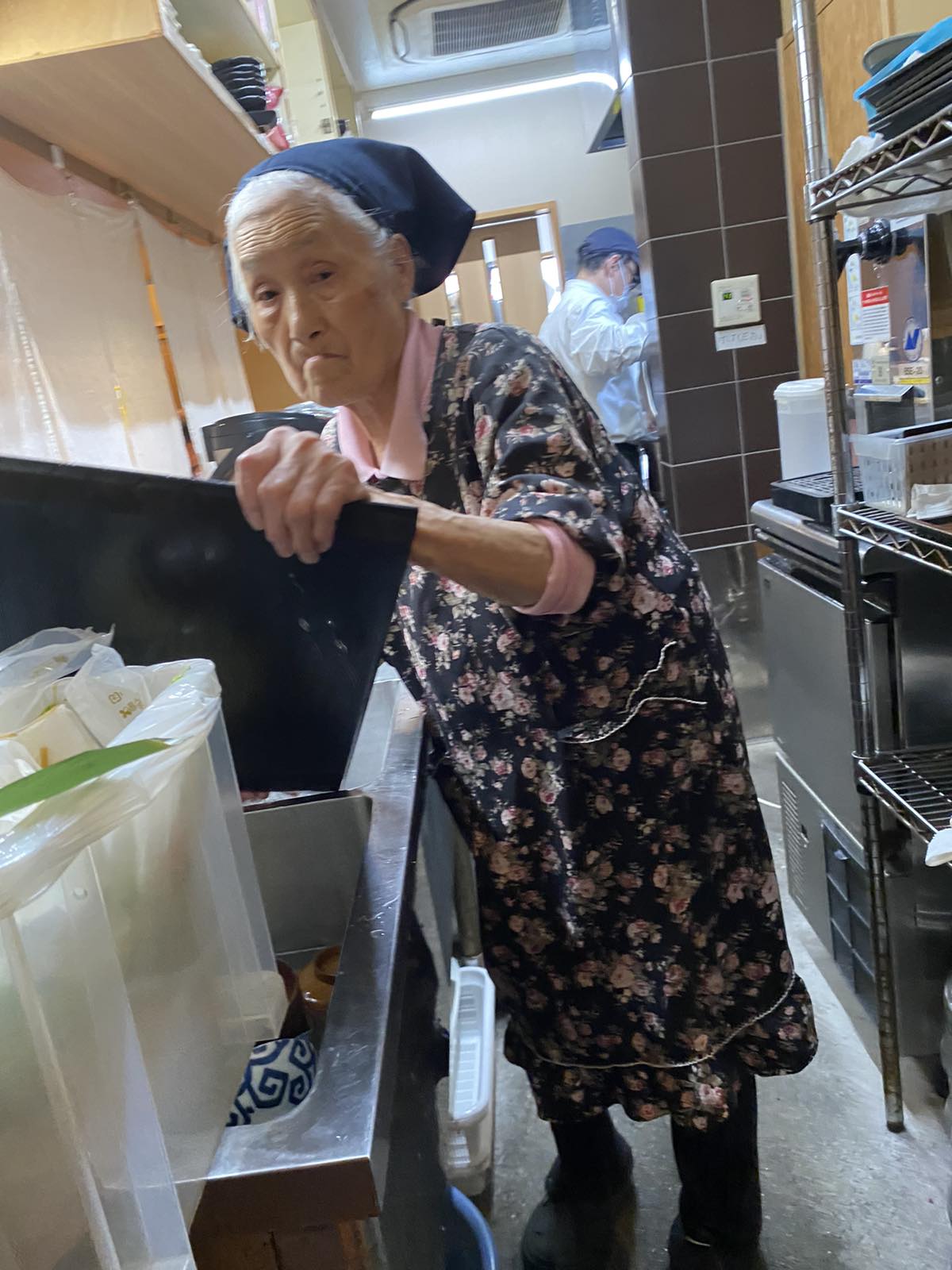
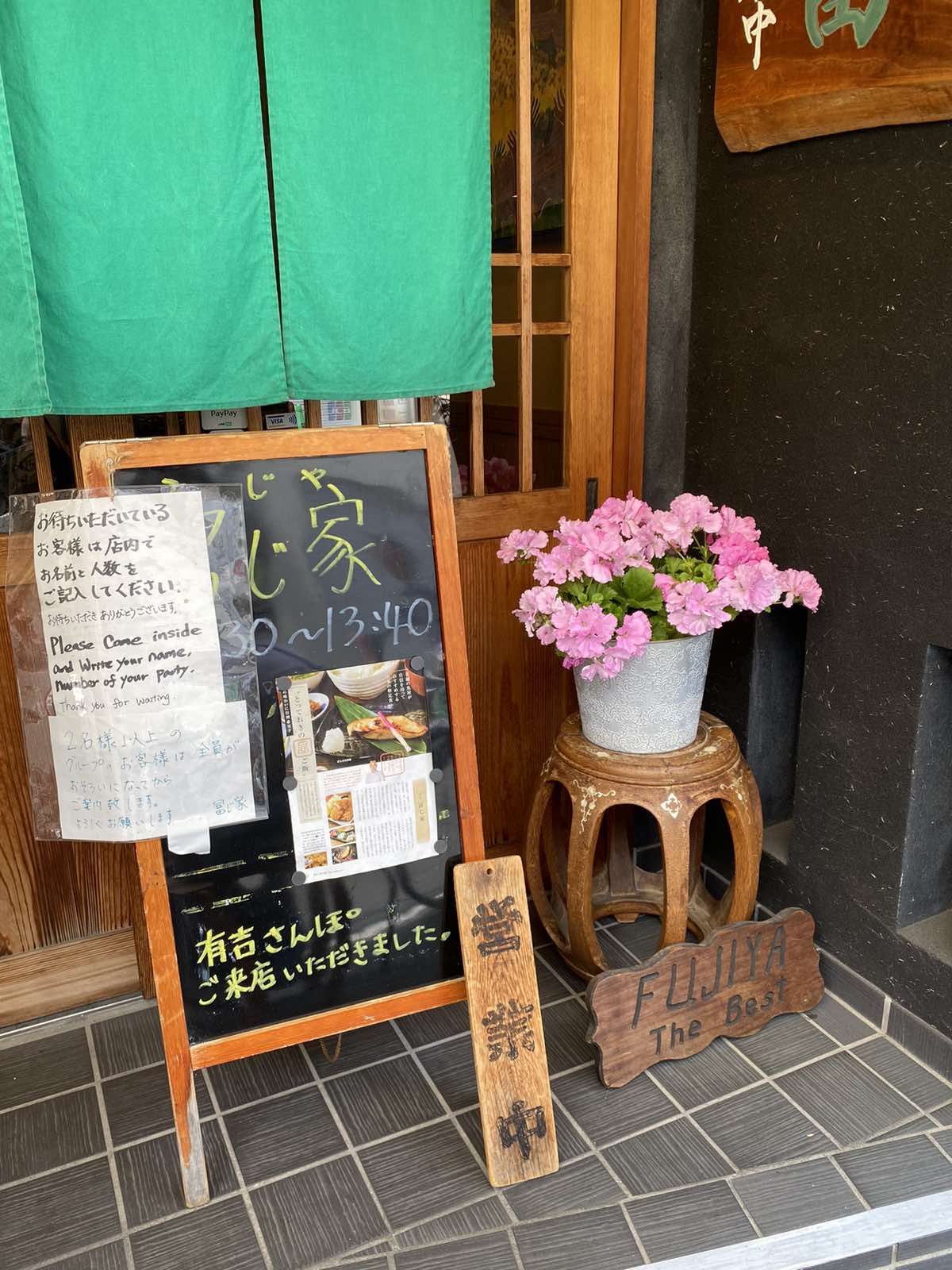
Over lunch, our conversation turned to how the Japanese men are when it comes to relationships. I mentioned that Japan’s population is aging, with many young people not wanting to marry, and many dying alone, which is sad. Tita Ditas opined that many Japanese are independent and fine being by themselves, they also find contentment in being alone. That is the frame of mind they learned from Shintoism and Buddhism. So, if I thought they were sad, they were actually not. The shoe shopkeeper shared the same perspective. Later that day, while in the shoe store, I offered to carry Tita Ditas’s bag, but she declined. She and the shopkeeper conversed in Japanese, and Tita Ditas explained to her what I was trying to do. The shopkeeper remarked that such gestures are uncommon in Japan. I was grateful not only for the lunch but also for this new insight into Japanese culture.
After a short stop at a small trinket shop, we had dessert at Waguriya. I was told that on weekends, the lines can be long, and waiting can last up to an hour or more. Fortunately, we got a seat immediately. They are famous for their Mont Blanc dessert, which I find hard to describe. On top is a sweet chestnut cream sitting on melon-flavored shaved ice. Skeptical about the combination, I was pleasantly surprised—it was just what I needed on a sunny day. Others around us, including the group across and the couple beside us, also seemed to enjoy it.




While Ingrid and Tita Ditas were shopping or window shopping, I went for coffee at Career Cafe, just beside the shop where they were. Soon they joined me. I had initially targeted another place, but it was not due to open for another 40 minutes. The ground floor seated up to six people, with more seating upstairs. Around the small shop were display shelves. Yoshimi, the female owner, in her thirties, is entrepreneurial; she rents out the shelves for businesses to display their products and runs an agency that provides waitstaff to restaurants in Tokyo.
Yanaka’s magic comes from its locals buying in small stores and chatting with shop owners, creating a nostalgic small-town charm. Before leaving, we explored a little more, checked out some temples, found Himitsudo, a Kakigori place that makes their ice from Mount Fuji water, and admired more cat merchandise. I couldn’t help but notice open lots and ongoing renovations. What used to be a small traditional market is transforming into larger, modern businesses. Yanaka is slowly losing its old-world charm as it gentrifies. I wondered if Kazuo Ishiguro had Yanaka in mind when he wrote: “I saw a new world coming rapidly. More scientific, efficient, yes. More cures for the old sicknesses. Very good. But a harsh, cruel world. And I saw a little girl, her eyes tightly closed, holding to her breast the old kind world, one that she knew in her heart could not remain, and she was holding it and pleading, never to let her go.” He may not be referring to Yanaka when he wrote those words but I am sure this sentiment resonates with those who have lived in the area for decades.
On the way back, Ingrid and I changed trains at Yurakucho. Yet again, we found ourselves disoriented while trying to locate the entrance to the other line, in another intriguing area characterized by towering modern malls, lively pachinko bars, and cozy hole-in-the-wall diners. This time, however, we realized we had moved from the old world to the new.
 Panorama