
I am within two years of what people kindly call the golden years. That marker means something to me — not as a occasion for nostalgia, but as a vantage point. I have lived through enough of history to watch the world change, and to measure what that change has cost.
The last four decades have produced a revolution in communication unprecedented in human history. Information moves faster than thought. A message composed in London reaches Manila before the next heartbeat and spreads across a nation within minutes. We have never had this before, and we have not yet reckoned seriously with what it means.
The standard response has been to call technology neutral. The internet, social media, artificial intelligence — tools, nothing more. Their morality, we are told, lies entirely with the user. But philosopher Carissa Veliz has made a persuasive case against that comfort. Technology is not of God. It is man-made, which means it is designed with intention, shaped by interest, and loaded with the biases of its creators. More often than not, those biases run toward control. Toward dominance. Toward the capture of attention and the management of perception.
The evidence is not hard to find. Social media platforms do not simply connect people — they curate reality, amplify outrage, and deliver audiences to whoever pays for access to them. AI goes further still, inserting itself into the interior life, shaping the way people reason and conclude, often without their awareness. And then there is pornography — perhaps the starkest case of technology deployed against the human person. It is everywhere now, accessible to anyone holding a phone, and it has reached boys as young as eleven. Before they have any real understanding of love, they are handed a counterfeit that teaches them women are objects. Disposable. A commodity to be consumed and discarded.
Technology is not the only front. The extraordinary abundance of this era has produced its own deformations, chief among them a hyper-consumerism that has quietly reordered the ends of human life. I remember a conversation at a party some years ago with a young couple months away from their wedding. I asked how many children they hoped to have. They were not thinking about that yet, they said. First they wanted to enjoy their income, acquire what they wanted, live on their own terms for a while. I did not argue with them. But I walked away with a question I have not stopped asking: when did a family become something you get to after the consumption is finished? We earn, we spend, we earn again. The cycle is the point now. And what it crowds out — children, sacrifice, the particular love that builds something beyond the self — barely registers as a loss.
These are not peripheral concerns for the practicing Catholic. They strike at the center. AI dependency erodes the very capacity for independent thought and moral agency. Pornography systematically destroys the ability to love — not dramatically, but incrementally, retraining desire until genuine intimacy becomes unrecognizable. Consumerism, followed to its conclusion, is simply another name for greed, dressed in the language of self-fulfillment.
None of it announces itself as harm. That is the difficulty. Progressive culture has been remarkably successful at normalizing each of these in turn — framing promiscuity as liberation, consumption as identity, self-focus as psychological health. We have been handed a story in which nothing is disordered, and a great many people, including Catholics, have accepted it. But the acceptance does not change the reality. Greed remains greed. Love emptied of commitment remains a wound. And the self enthroned as its own highest good remains an idol, regardless of how comfortable the throne.
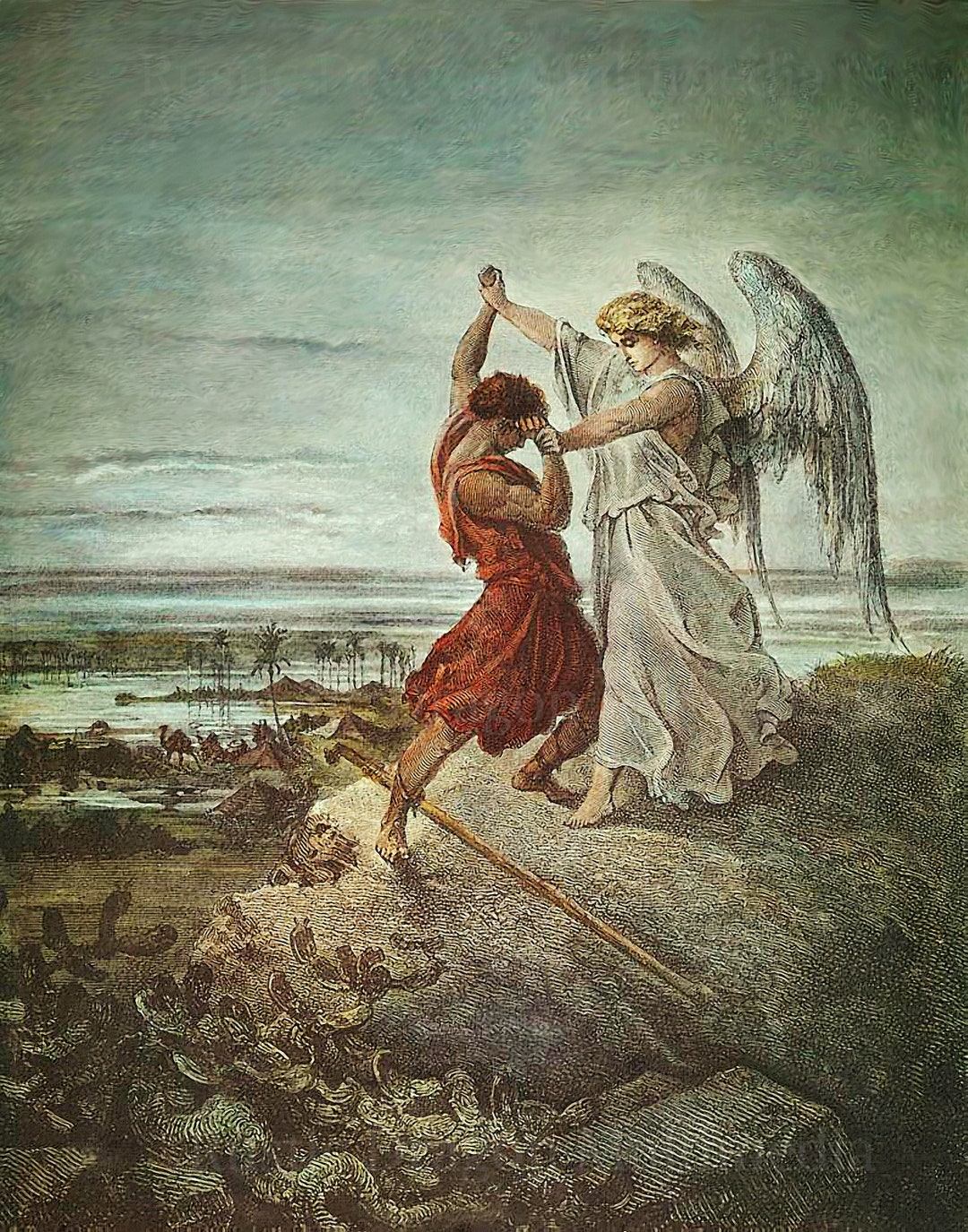
To be a practicing Catholic in this moment is to contest that story. Not from a position of cultural superiority, but from the recognition that what is being lost — the capacity for real love, for moral seriousness, for a life ordered toward something beyond appetite — is genuinely worth defending. The faith has always understood that this defense comes at a cost. It requires struggle. Not once, but continuously, against the current of a culture that has made dissolution look like freedom.
I have lived long enough to stop being surprised by this. St. Josemaría Escrivá named it with precision in his homily Interior Struggle: “Our spiritual combat in the presence of God and of all our brothers in the faith is a necessary result of being a Christian. So if you do not fight, you are betraying Jesus Christ and the whole Church, his mystical body. A Christian’s struggle must be unceasing, for interior life consists in beginning and beginning again.”
The challenge does not end. Neither should we stop beginning again. To be a Catholic is to struggle for holiness — and to keep struggling, even when the ground is hard and the hour is late.

