
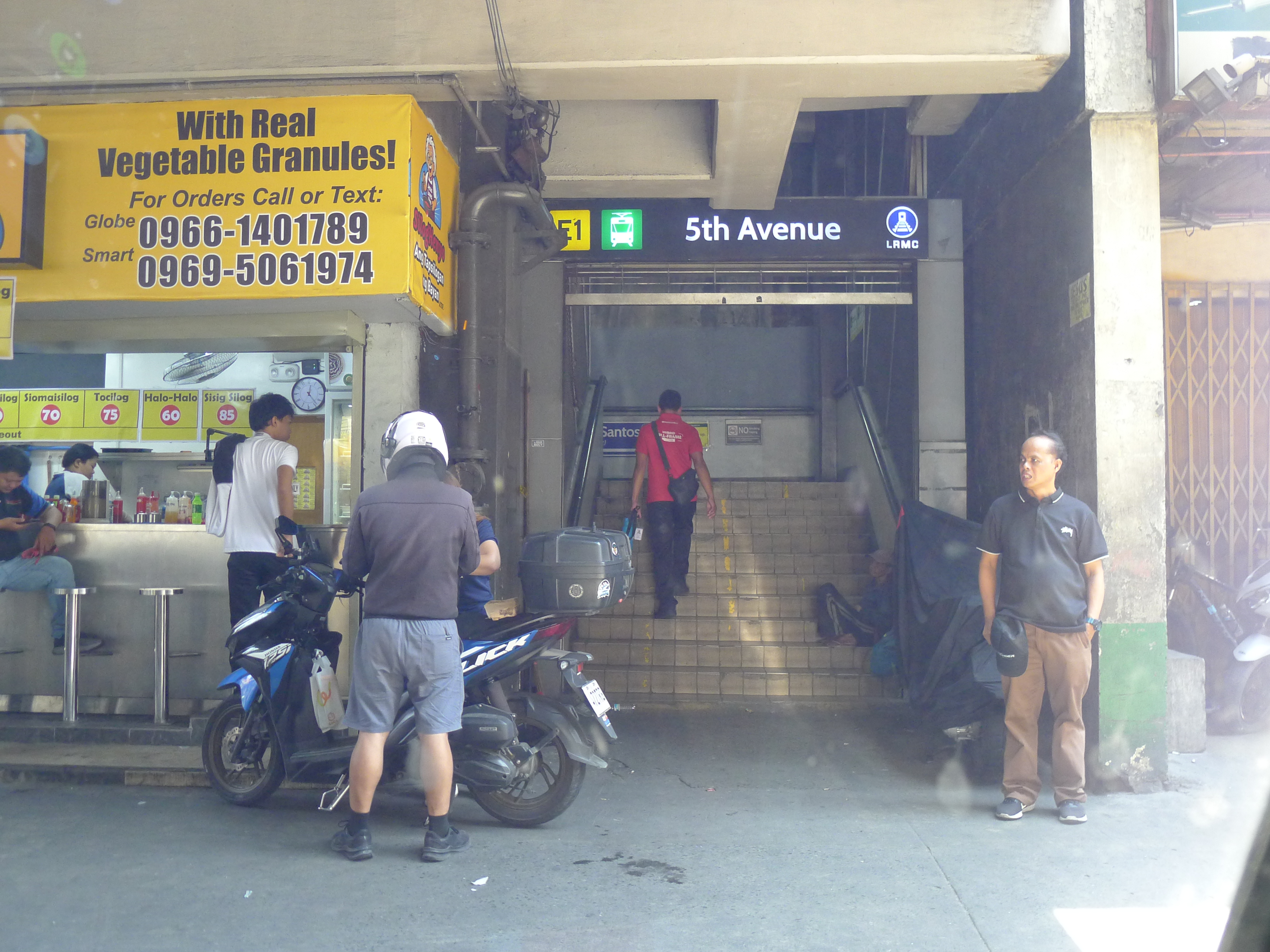
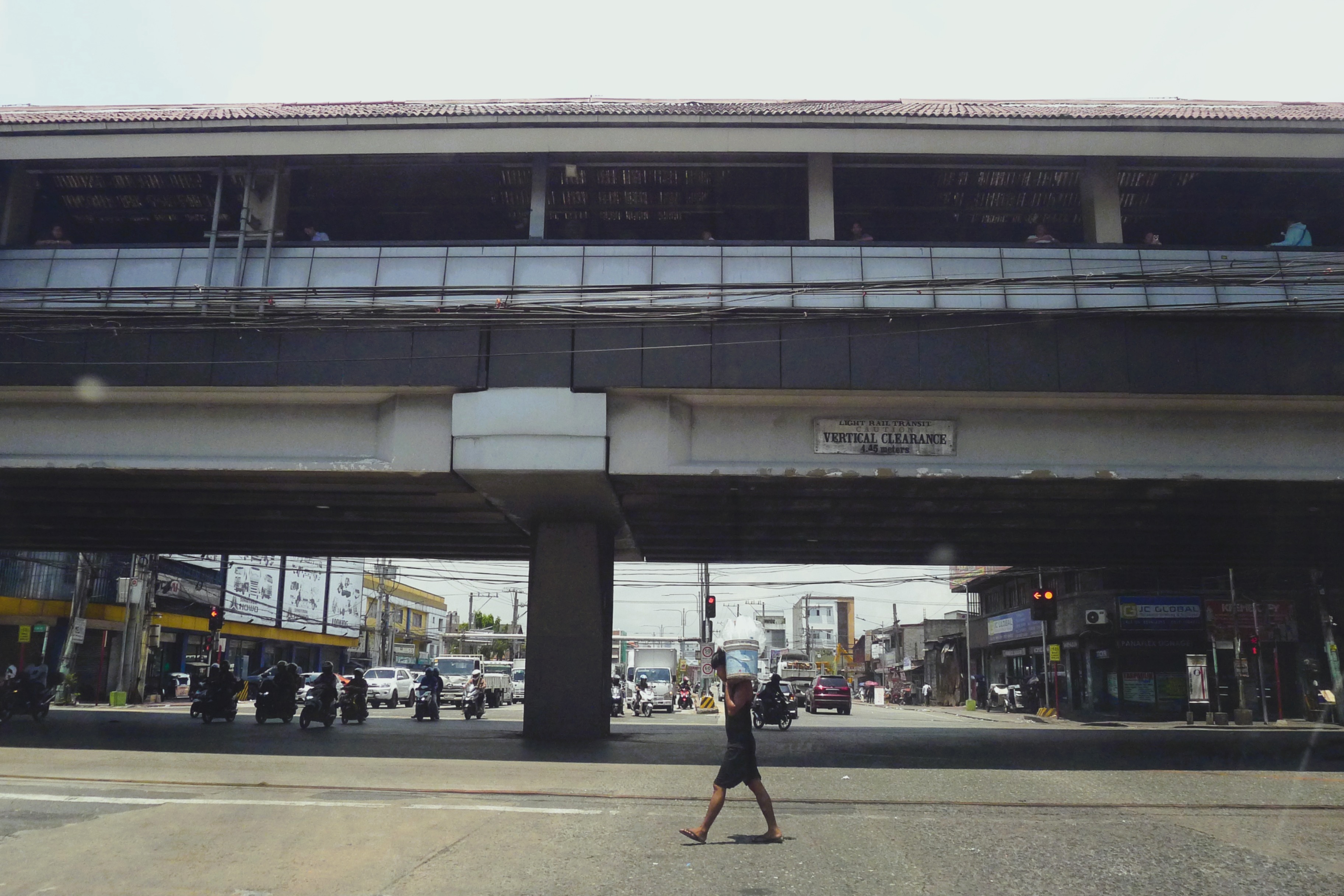
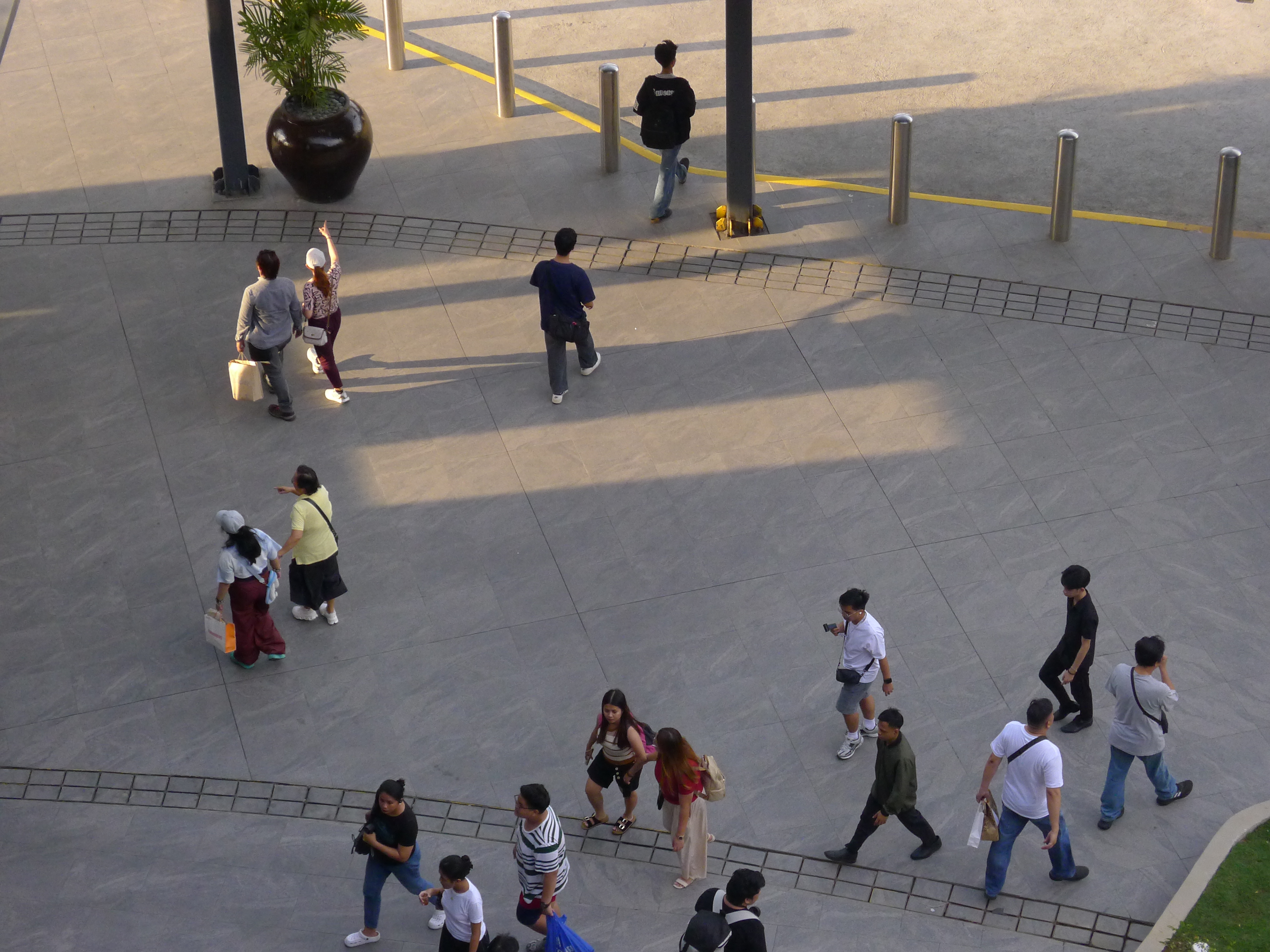
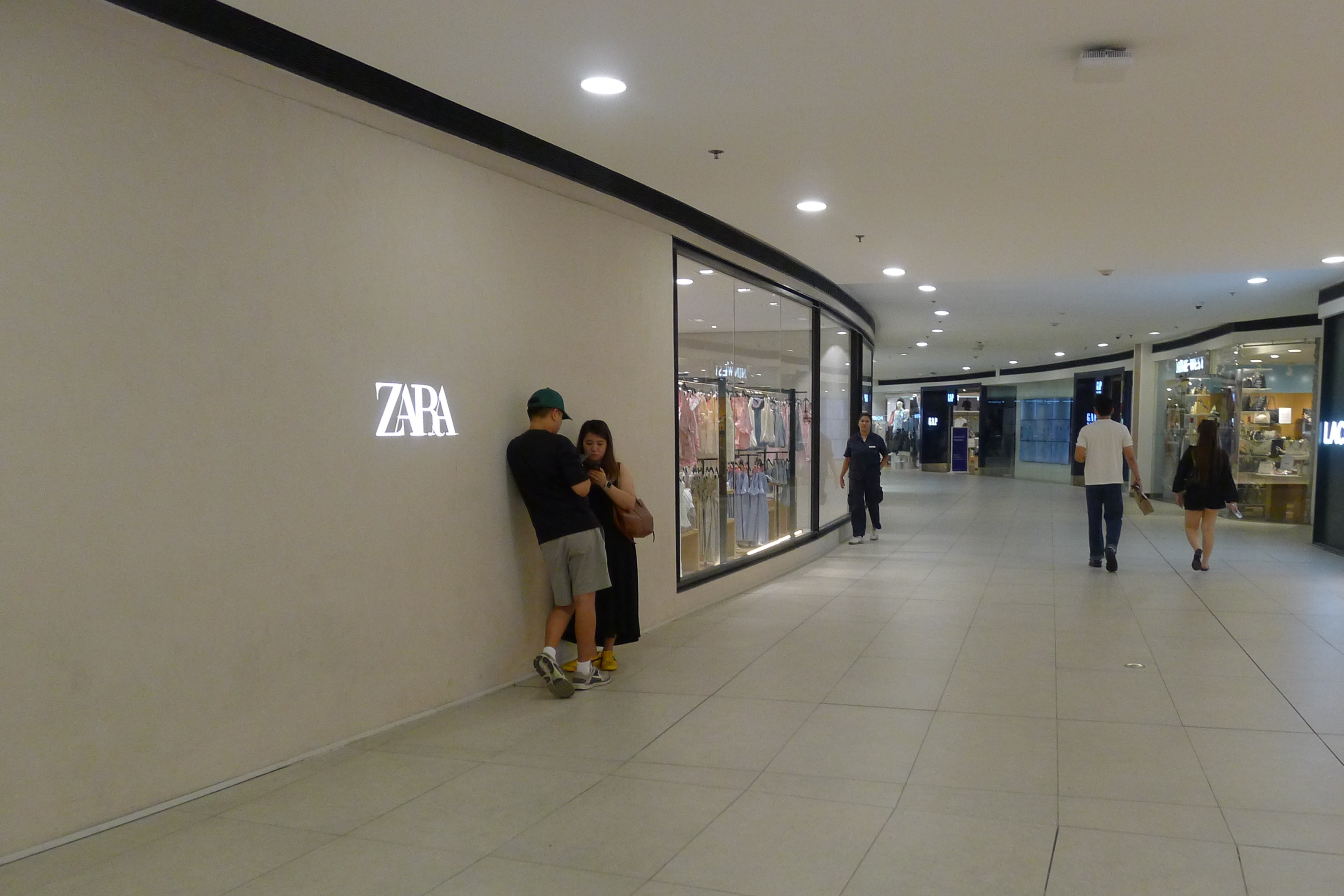
Two weeks ago I resurrected my old Panasonic Lumix LX5 and have been carrying it everywhere since. Most of my shooting has been from inside the car, in traffic, catching whatever the city throws at the window. I was inspired by David Bradford’s drive-by photographs, work I first came across in the mid-2000s that quietly stayed with me all these years.
I shoot by instinct. My eyes go to color, to a graphic moment, to light that cuts hard across a face or a wall, to whatever feels like it is on the edge of becoming a story. I am not always sure what I am after. Sometimes it is beauty. Sometimes it is just light. Sometimes it is a moment that feels right in a way I cannot fully explain.
But somewhere along the way I started asking myself: are these images actually beautiful? And the moment I asked that, I realized I had already lost something. Because the question itself pulls you out of seeing and into performing. You stop shooting what arrests you and start shooting what you think will arrest someone else.
The problem is that beauty has become a crowded place. The digital revolution did not just make cameras accessible, it flooded the world with images. Landscapes, sunsets, perfect golden light — photographs that once stopped you cold now scroll past without a second glance. We have seen everything too many times. The magic is still there somewhere but we have watched the trick performed so often we can no longer feel it.
And it is not just beauty that has been crowded out. The visual language of photography itself — the reflection in a puddle, the stark juxtaposition, the decisive moment frozen mid-stride — these gestures belong to everyone now. Today, everyone can be a Fan Ho, Bresson, or Ansel Adams. When you raise your camera to catch a reflection in a rain-soaked street, you have to honestly ask yourself: is this my eye, or have I simply absorbed what a good photograph is supposed to look like?
That question used to not matter as much. When only a few people were making photographs, an image like that felt discovered. Now it feels inherited.
So what is left? I think what is left is intention. There is a difference between going out to collect likes and going out to communicate — to use an image to say something true about your experience of the world, the specific texture of what it feels like to move through a city, to sit in traffic, to notice what everyone else is too busy to see. That is not something an algorithm can replicate. It is not something abundance can erase. It is yours, if you are honest enough to chase it and patient enough to wait for it.

