
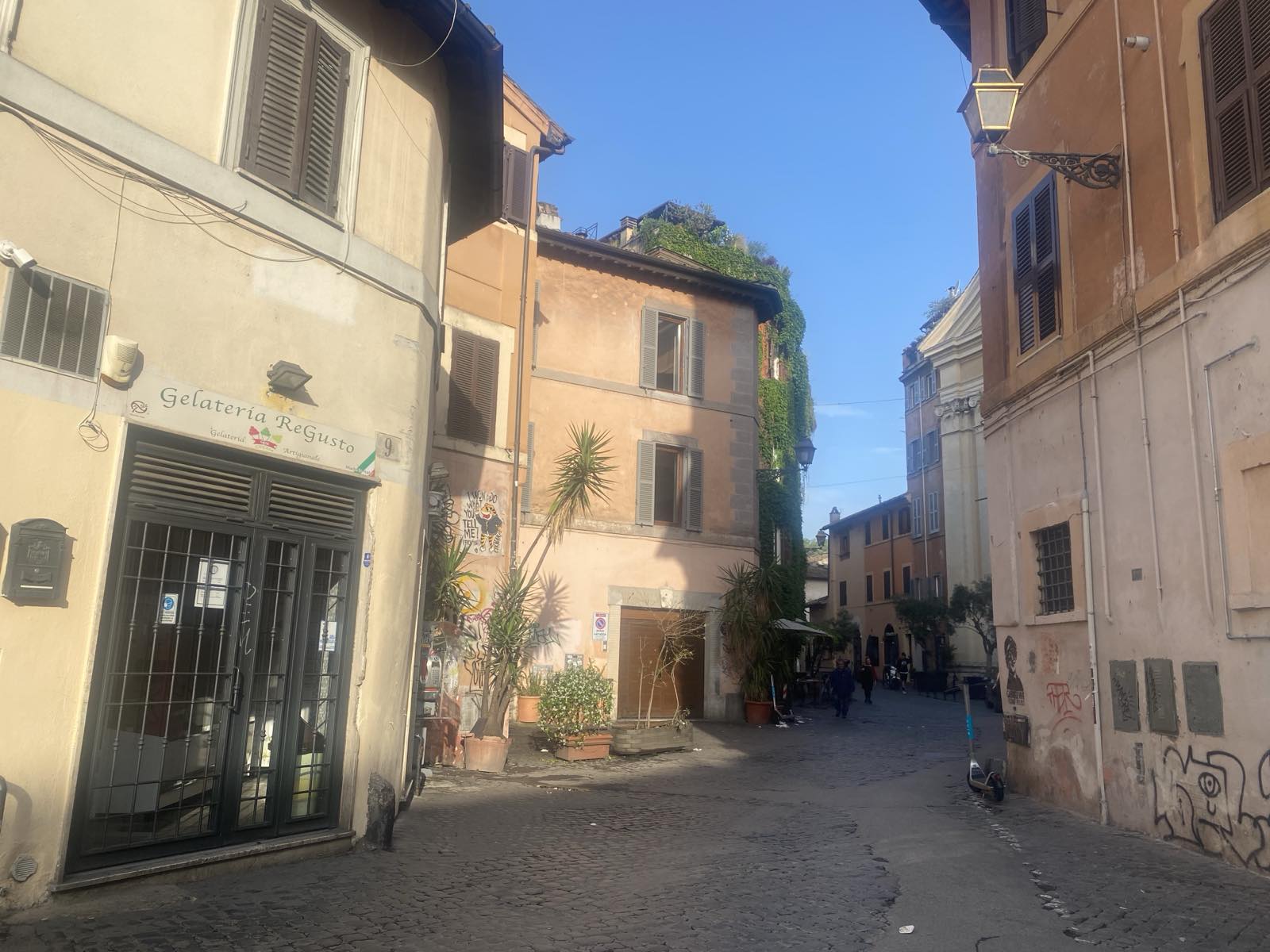
Year 2023 was the year I ticked off Europe on my bucket list, not once but twice. I was there in January to accompany my friend and then again in May with my family. The countries I visited were the same: Italy, Spain, and Portugal, but I explored additional cities on the second trip. All of them were memorable, each with its own unique character. If I could choose a theme for the trips, it would be church hopping. Of course, it bored our kids to death, but at least they got a taste of magnificent art and saw what man can do if inspired by faith.
Italy was still recovering from a typhoon that killed at least 11 people by the time we arrived in Rome in late May of 2023. The Vatican’s security was still on alert because some psycho had rammed his car into the gates of the Vatican. Reading that news gave me anxiety, but we forgot everything once we got there.
Italy, at least my experience in Rome, taught me that you cannot go there without looking or wearing your best attire. Even our Filipino driver wore a suit daily. It’s easy to spot a tourist—just look at their shoes or color combinations. Italians are bolder when it comes to colors. Along Trevi, I saw a middle-aged Italian in a red long-sleeve shirt and blue pants. This is unlike the Japanese, who are more toned down in their colors.
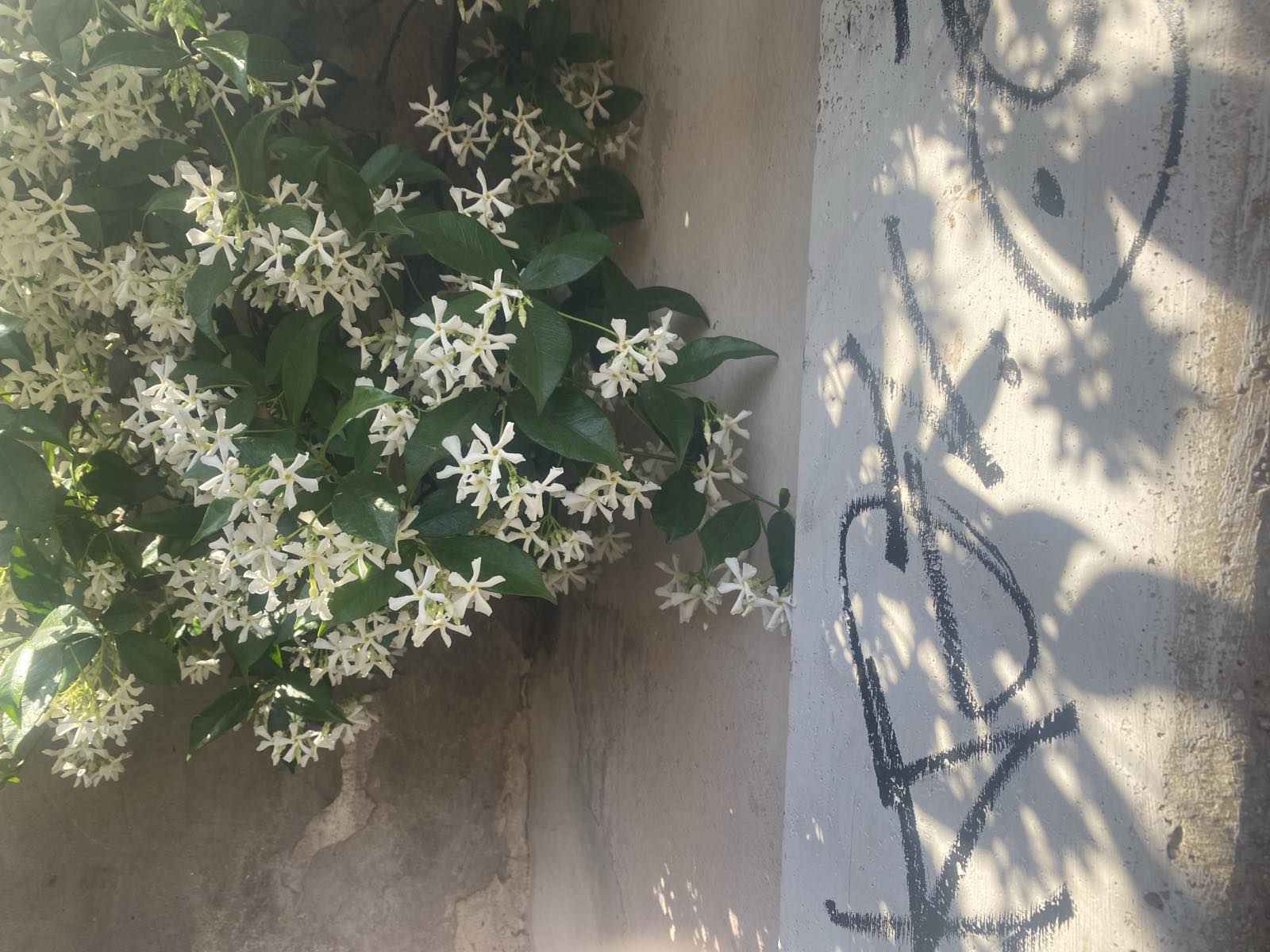
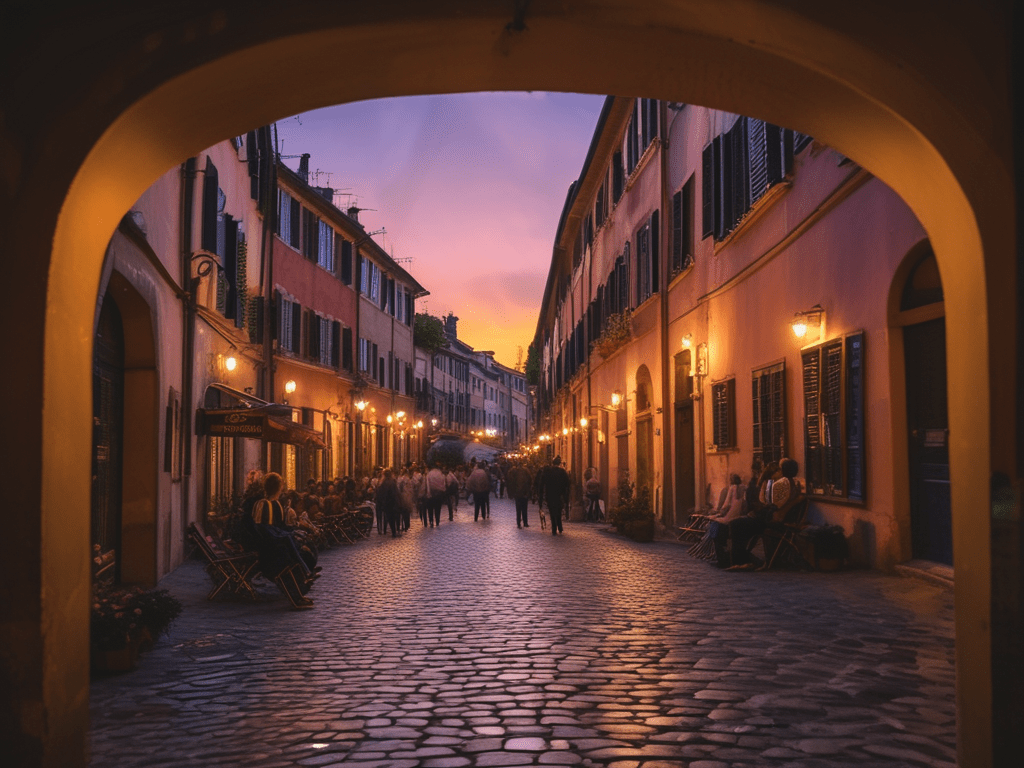
On my second visit, we stayed in Trastevere, located on the other side of the city center. To get there, you need to cross the Tiber River if you are coming from the area of Piazza Navona, but not if you are coming from the Vatican. Piazza Trilussa signifies that you have reached the area of Trastevere. Trilussa was named in honor of the famous Roman poet Carlo Alberto Salustri, who wrote under the pen name Trilussa, an anagram of his surname. The area has an artistic vibe frequented mostly by locals. The place looks dull in the morning, scary even with its vandalized walls, but during sunset, the place begins to wake up. Its bars, restaurants, locals, and tourists start to mingle until early morning. Those vandalized walls were not evident to me the first time I visited, so when I saw them, I thought my mother might not like the place and might even consider getting transferred to another hotel. But I was wrong. She loved the place and even wants to go back and stay there again. She loves the idea of leaving and entering the building with her key, like a true local.
It was my former student, Bermon, who now lives in Rome as a tailor, who introduced me to the area. He acted as a tour guide during my stay, bringing me to historical places, restaurants, and bars. He brought me to Tonarello last January, where I had the most delicious Italian meatball of my life, not to mention their other dishes like Cacio e Pepe and Carbonara. This is also the place I introduced to the Go family, whom we met up with during our visit in May. Just like I felt during my first time eating there, they were also delighted.



My meeting with Bermon was serendipitous. On the way to Rome via Qatar Airport, I saw a familiar face just before boarding the plane. I went to him, but I did not need to introduce myself because as soon as he saw me, he recognized me. Good thing he was still on vacation and did not need to go back to work for five days. During one of our dinners, we had a conversation about working in Italy as a tailor. He asked me how much I thought good suits cost. I guessed 100,000 pesos. He said the value is far from that; really good handmade suits cost around 300 to 500 thousand pesos. Then the conversation shifted to working as a non-citizen. He told me that there are fewer regular employees and more contractual ones, even for locals. It makes it look like there is high unemployment, but there really isn’t. He hopes to have his atelier soon. There is also a month when most establishments are closed and people are just at the beach because of the heat, he said while drinking his beer. Doesn’t that affect the economy? I asked. It does, he said, and so it is practiced less today than a few years back.
Breakfast for us, when out of the country, is always about the most economical choice; it’s all about speed and efficiency, most of the time from 7/11 or whatever is the most convenient. We leave the more pleasurable meals for either lunch or dinner. The café beside our place is where I take my dose of espresso and a bite of cornetto or Italian croissant. The owner asked me where I was from, and I told him I am Filipino. The next day, I got my coffee when he introduced me to the Filipina server who seemed to want to remain unidentified. She went past me hurriedly with a quick smile. It made me wonder if she didn’t want to be identified as Filipina or maybe she was an illegal alien in Italy. This was different from what I experienced a few months back. Our server then was a Filipino from Bicol, Aileen. We had an engaging conversation with her. She told us that it was hard at first, like it is for anyone away from home. She and the other Filipino staff live above the café, which is common for many Filipino migrants in the service industry, she said. She was friendly, but what made her even more friendly was the extra focaccia she gave us for breakfast.
Our place was a one-bedroom unit with a problematic shower that sometimes ran out of hot water, depending on the number of users. This situation is normal for hundred-year-old establishments in Rome. Most of the older establishments are owned by the Vatican, my landlord told me. Understandably, preserving history is a priority over convenience. And that is exactly how I felt: being in touch with the past with how the façade looks, the interior, and the danger of stepping out of the unit directly to the narrow spiral steps or using a tiny elevator that can give anyone a panic attack. But somehow, I am grateful that the past isn’t eradicated by modern conveniences.
Friends have advised us to stay near the shopping streets of Via Condotti and Via del Corso. I refuse to stay in a touristy place. Aside from being a tourist trap, I don’t like artificial cities where locals are conditioned to behave around tourists. I want to see the more authentic character of the city. In a video I saw on Facebook Reels, there was a lady on her phone, walking on the sidewalk of New York and waving at the tourists inside the bus. Moments later, she raised both her hands, jumped, and started dancing. The person taking the video laughed and commented that those inside the bus were suckers because they were entertained by a paid actress.
There is this church just across our building, the church of Santa Dorotea, patron saint of brides, gardeners, and brewers, among others. A baroque church built in 1756, it was the very first church we visited as soon as we arrived in Trastevere. There is nothing really special about this church except the painting of two heads with their eyes looking up. The eyes must be rolling, I told my wife, and they must be her saints.
Also in Trastevere is the Fountain in Piazza di Santa Maria, considered the oldest fountain in Rome. The fountain is believed to have been in the square since the 8th century. It was where early Romans gathered their water for drinking and cooking. Today, it’s a place for tourists to rest and take photos.
There were a couple of nights when Ingrid and I would walk and feel the ambiance of the community. It was alive and vibrant both on weekdays and weekends, with all the music and laughter from people who know how to live the European way of life. We loved it and wanted to stay up late, but we were already tired from our morning activities.
The week we spent in Trastevere, having our own unit, enjoying small cafes and corner stores made me appreciate the place more and allowed me to see and experience a more local way of life,
 Panorama